
Open Now
24/7 Emergency Service Available
Wells & Sump Pumps
★★★★★
Trusted by Homeowners & Companies
24/7 Rapid Response | Residential & Commercial
24/7 Rapid Response | Residential & Commercial
From deep-well submersible pumps and pressure tank optimization to high-output sump pump systems with smart IoT monitoring and battery backups — we keep your water flowing in and your basement dry. 24/7 emergency service available.
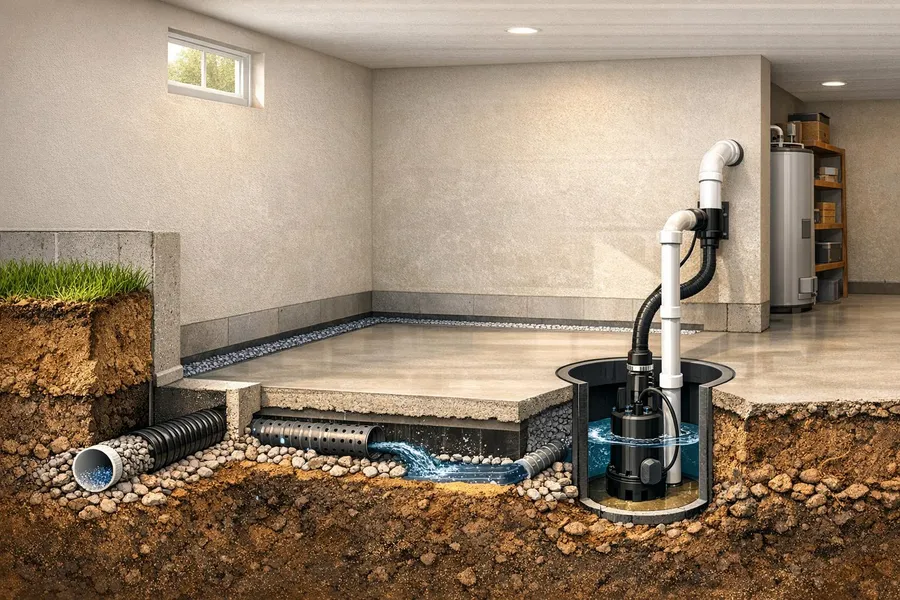
- Sump Pump Installation: High-output, industrial-grade pumps for total flood protection.
- Smart IoT Monitoring: Real-time mobile alerts before a flood occurs.
- Redundant Battery Backups: Your second line of defense during power outages.
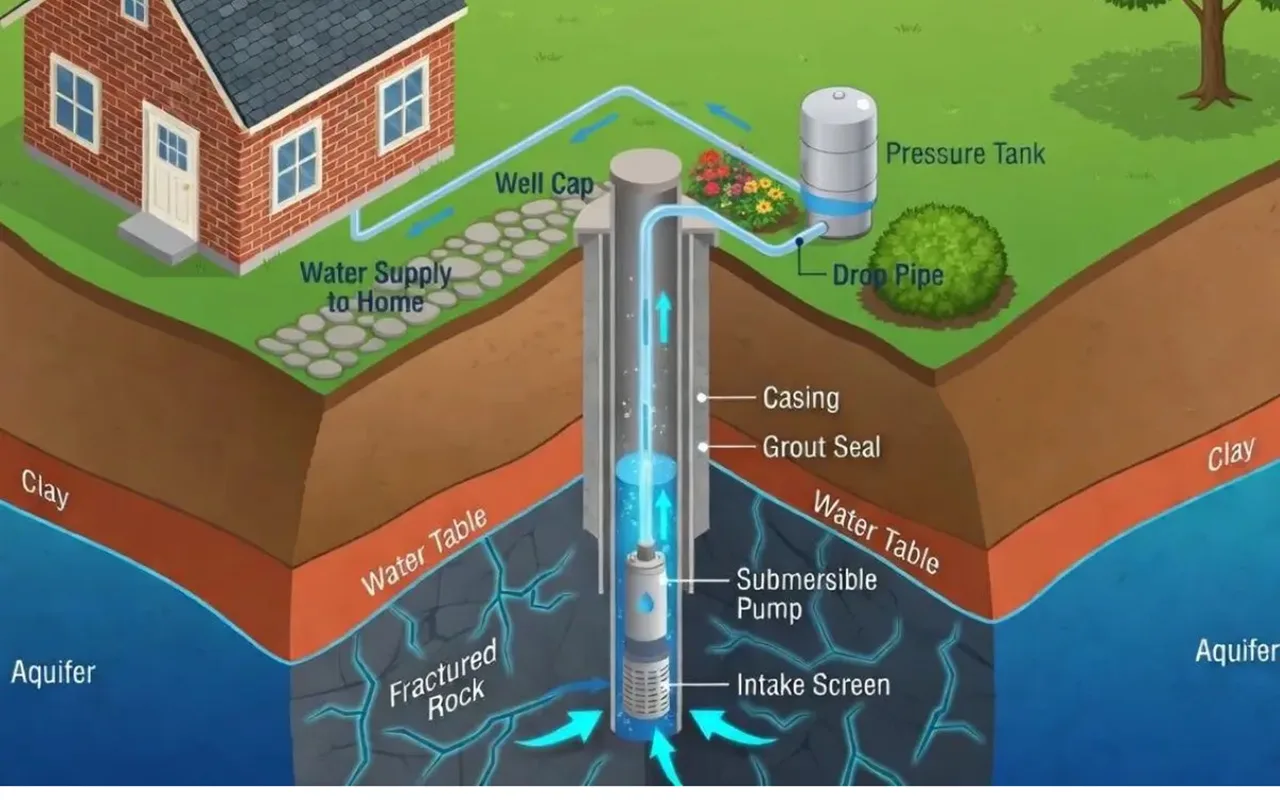
- Well Pump Installation & Repair: Deep-well submersible pumps and pressure tank optimization.
- Consistent Water Supply: Peak performance from the source to every point of use.
- 24/7 Emergency Repair: Fast replacement and repair for all major brands.
- Maintenance & Pit Cleaning: Ensuring peak performance when it matters most.
- Sump Pump Installation: High-output, industrial-grade pumps for total flood protection.
- Smart IoT Monitoring: Real-time mobile alerts before a flood occurs.
- Redundant Battery Backups: Your second line of defense during power outages.
- Well Pump Installation & Repair: Deep-well submersible pumps and pressure tank optimization.
- Consistent Water Supply: Peak performance from the source to every point of use.
- 24/7 Emergency Repair: Fast replacement and repair for all major brands.
- Maintenance & Pit Cleaning: Ensuring peak performance when it matters most.
Available Now — Call for Same-Day Service
Tell us the problem → we connect you to a local pro → quote on the call, no obligation
Need Service? Available Now
Call NowCall (888) 664-0386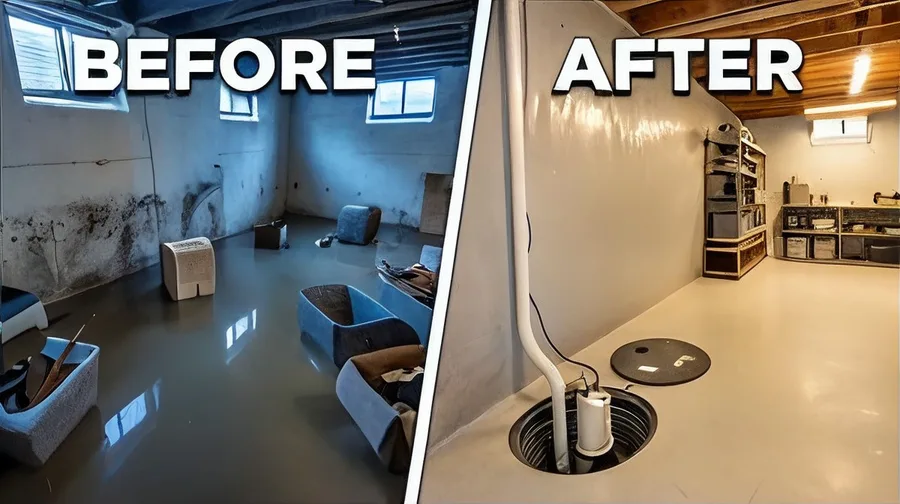
Honest Pricing, No Surprises
Wondering what it will cost? Here's exactly how it works. Getting connected to a local plumbing pro is straightforward, and you'll always know the price before any work begins — no pressure, no guesswork.
No Cost to Get Connected
Reaching out costs you nothing. We connect you with a local plumbing pro at no charge — you only pay for the work you decide to move forward with.
Up-Front, No-Obligation Quote
Get a clear quote before any work starts. Review the price, ask questions, and decide on your own terms — there's never any obligation to commit.
No Hidden Fees
The price you discuss is the price you plan around — no surprise add-ons buried in the bill. You'll know what to expect before the job begins.
Sump Pumps: What Actually Fails
A sump pump gives plenty of warning before the night it matters. These are the signs worth acting on while the basement is still dry:
Runs constantly and never rests
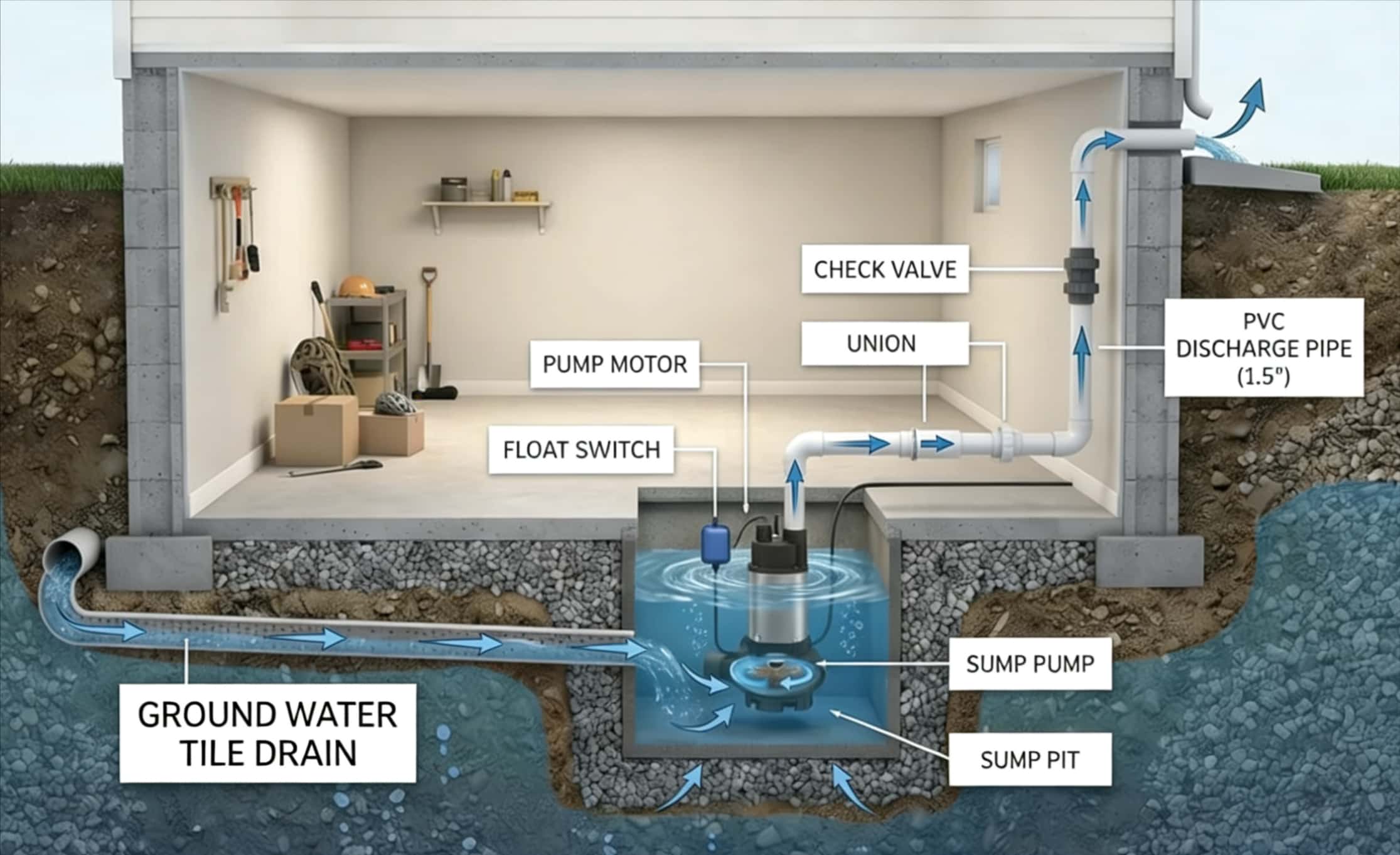
Usually a float switch snagged against the pit wall, a failed check valve letting the water drain straight back in, or a pump undersized for what's arriving. Continuous running burns a pump out years early, and the check valve — the least costly of the three — is a frequent culprit.
Doesn't turn on at all
Check the obvious first: the outlet, the breaker, and a GFCI that quietly tripped weeks ago. After that it's a stuck float or a dead motor. A pump that has sat unused all summer is exactly the one that won't start in spring.
Runs, but nothing moves
A clogged impeller, a discharge line blocked or frozen at the outlet, or a check valve installed backwards. The motor sounds healthy, which is what makes this one deceptive — the pit keeps filling while everything sounds fine.
Switches on and off every few seconds
Short-cycling means water is coming back: a failed or missing check valve, or a pit too small for the pump's volume. Every cycle is wear, so this shortens the pump's life quickly.
Banging or hammering in the discharge
Usually the check valve slamming shut. A quieter spring-loaded valve and proper pipe support fix it, and the noise is worth heeding — hammering works joints loose over time.
Simply old
Seven to ten years is a normal service life. Past that, replacing on a dry Tuesday costs the same as replacing in an emergency, minus the flooded basement.
Battery Backup — When It's Worth It
Ask what causes your flooding. If it's heavy storms, a backup is usually justified for one blunt reason: the storm that fills the pit is the same storm that cuts the power, and a primary pump on a dead circuit is decoration. Battery systems run $800–$2,000 installed; water-powered backups, which need no electricity at all, run $600–$1,500 where municipal pressure supports them.
If instead your water comes from a steadily rising table rather than storm events, the case is weaker and you'll be told so rather than sold a second pump. The other half of the answer is a high-water alarm — inexpensive, and it turns a discovered flood into a caught one.
Well Pumps & Pressure Tanks
Well systems fail in patterns, and the symptom usually names the part. The most expensive component is rarely the one at fault:
Rapid on-off cycling
Almost always a waterlogged pressure tank — the air bladder has failed, so there's no cushion and the pump restarts on every small draw. It's the most misdiagnosed fault in well systems, and left alone it destroys the pump, which is the part you actually can't afford to lose.
No water at all
Work outward from the least costly: breaker, then pressure switch, then the pump. Skipping to the pump is how people pay four figures for a $200 problem.
Low pressure throughout the house
A pressure switch set low, a clogged sediment filter, a failing pump losing capacity, or scale narrowing the lines. A gauge reading at the tank separates them in minutes.
Air spitting from the faucets
Different problem, and a more serious one — a dropping water table, a suction-side leak, or a pump drawing air at depth. Worth calling promptly, because running a pump dry is what turns this into a replacement.
Sediment, grit, or cloudy water
Often the pump is set too near the bottom of the well and pulling from the sediment layer, or the screen is failing. Filtration treats the symptom; repositioning or repair treats the cause, and you'll hear which you're being quoted.
Jet or submersible
Shallow wells use a jet pump above ground, which makes them easier and less costly to service. Deep wells use a submersible set down the casing, and any repair starts with pulling it — which is why depth drives the price more than the part does.
What Well & Sump Work Costs — Honestly
Typical ranges: a sump pump replacement $400–$1,200 installed; a check valve $75–$200; a battery backup system $800–$2,000; a water-powered backup $600–$1,500. Installing a new pit where none exists is a different scale of job at $2,500–$6,000, because it means breaking concrete and running discharge line.
On the well side: a pressure switch $150–$350, a pressure tank $400–$1,200, a shallow-well jet pump $700–$1,700, and a deep-well submersible $1,500–$3,500 climbing with depth. Where a pump is near the end of its 8–15 year life, replacing the tank in the same visit usually saves a second call later — offered as a recommendation with both numbers, not as a condition. No work starts on a maybe, and getting connected with a local pro costs you nothing.
Frequently Asked Questions
Why does my sump pump run constantly?
Three usual causes: a float switch stuck or tangled against the pit wall, a check valve that failed so the water it just pushed out drains straight back in, or a pump genuinely undersized for the water arriving. A pump that never rests burns out years early, so it's worth diagnosing rather than living with. The check valve is a common culprit and, at $75–$200, the least costly of the three to rule out.
How do I test a sump pump before storm season?
Pour five gallons of water slowly into the pit until the float rises. The pump should kick on, clear the pit, and shut off cleanly by itself. If it hesitates, runs on after the water is gone, or you hear it running with nothing moving, it will fail on the night you need it. Testing in dry weather is the entire point.
How much does a sump pump replacement cost?
Typically $400–$1,200 installed depending on horsepower and whether it's a pedestal or submersible unit. Installing a brand-new pit where none exists is a different job entirely — $2,500–$6,000, because it means breaking concrete and running discharge. Sump pumps generally last 7–10 years, so age alone is a fair reason to replace one on your schedule rather than during a storm.
Do I actually need a battery backup?
Ask what causes the flooding. If it's heavy storms, the honest answer is usually yes, because the same storm that fills your pit is the one that cuts your power — a primary pump on a dead circuit is decoration. Battery systems run $800–$2,000 installed and water-powered backups $600–$1,500 where municipal pressure allows. If your water comes from a rising table rather than storms, a backup matters less and you'll be told so.
My well pump turns on and off every few seconds — what's wrong?
Almost always a waterlogged pressure tank, and it's the most misdiagnosed fault in well systems. The tank's air bladder has failed, so there's no cushion and the pump cycles on every small draw. Left alone it destroys the pump, which is the expensive part. A tank replacement runs $400–$1,200 — far less than the pump it protects.
Why do I suddenly have no water from my well?
Work outward from the least costly: a tripped breaker, then a failed pressure switch ($150–$350), then the pump itself. Air spitting from the faucets before it quit points somewhere different — a dropping water table or a suction-side leak — and sediment or cloudy water suggests the pump is drawing near the bottom of the well. Those are genuinely different repairs, which is why the diagnosis comes before any quote.
How much does a well pump replacement cost?
A shallow-well jet pump typically runs $700–$1,700 installed. A deep-well submersible is $1,500–$3,500 and climbs with depth, because the pump has to be pulled from the casing before anything else happens. Well pumps usually last 8–15 years. Where the old pump is near that range, replacing the pressure tank at the same time often saves a second service call later — you'll get that as a recommendation, not an upsell.
Do you work on sewage ejector and grinder pumps?
Yes — ejector and grinder pumps for below-grade bathrooms and laundry, along with the basin, check valve, and float controls that go with them. Worth mentioning on the phone which kind you have: an ejector pit and a sump pit look similar but are not the same job, and it changes what arrives on the truck.
Water in the basement from a pipe instead? Leak Detection & Repair →
Same-Day Service Available · Trusted Experts · No Hidden Fees
Call NowCall (888) 664-0386Disclaimer: Plumbingservicenearby.com is a free service to assist homeowners in connecting with local service providers. All contractors/providers are independent and plumbingservicenearby does not warrant or guarantee any work performed. It is the responsibility of the homeowner to verify that the hired contractor furnishes the necessary license and insurance required for the work being performed. All persons depicted in a photo or video are actors or models and not contractors listed on plumbingservicenearby.
Same-day and 24/7 emergency services are subject to provider participation, location, technician availability, and demand. Availability is not guaranteed and may vary by market and appointment capacity.