
Open Now
24/7 Emergency Service Available
Water Leak Detection & Repair
★★★★★
Trusted by Homeowners & Companies
24/7 Rapid Response | Residential & Commercial
24/7 Rapid Response | Residential & Commercial
Hidden water leak? High water bill, damp drywall, or running-water sounds you can't explain? We locate slab, wall, and underground leaks with electronic detection equipment — then repair them, often the same visit. Call now for same-day service and a no-obligation estimate.
- Electronic & acoustic leak detection — no unnecessary demolition
- Slab leaks, wall leaks & underground line leaks
- Water leak repair — often fixed the same visit
- High water bill? We'll find the source
- Thermal imaging & pressure testing
- 24/7 emergency leak service
- No-obligation estimates
- Electronic & acoustic leak detection — no unnecessary demolition
- Slab leaks, wall leaks & underground line leaks
- Water leak repair — often fixed the same visit
- High water bill? We'll find the source
- Thermal imaging & pressure testing
- 24/7 emergency leak service
- No-obligation estimates
Available Now — Call for Same-Day Service
Tell us the problem → we connect you to a local pro → quote on the call, no obligation
Need Service? Available Now
Call NowCall (888) 664-0386
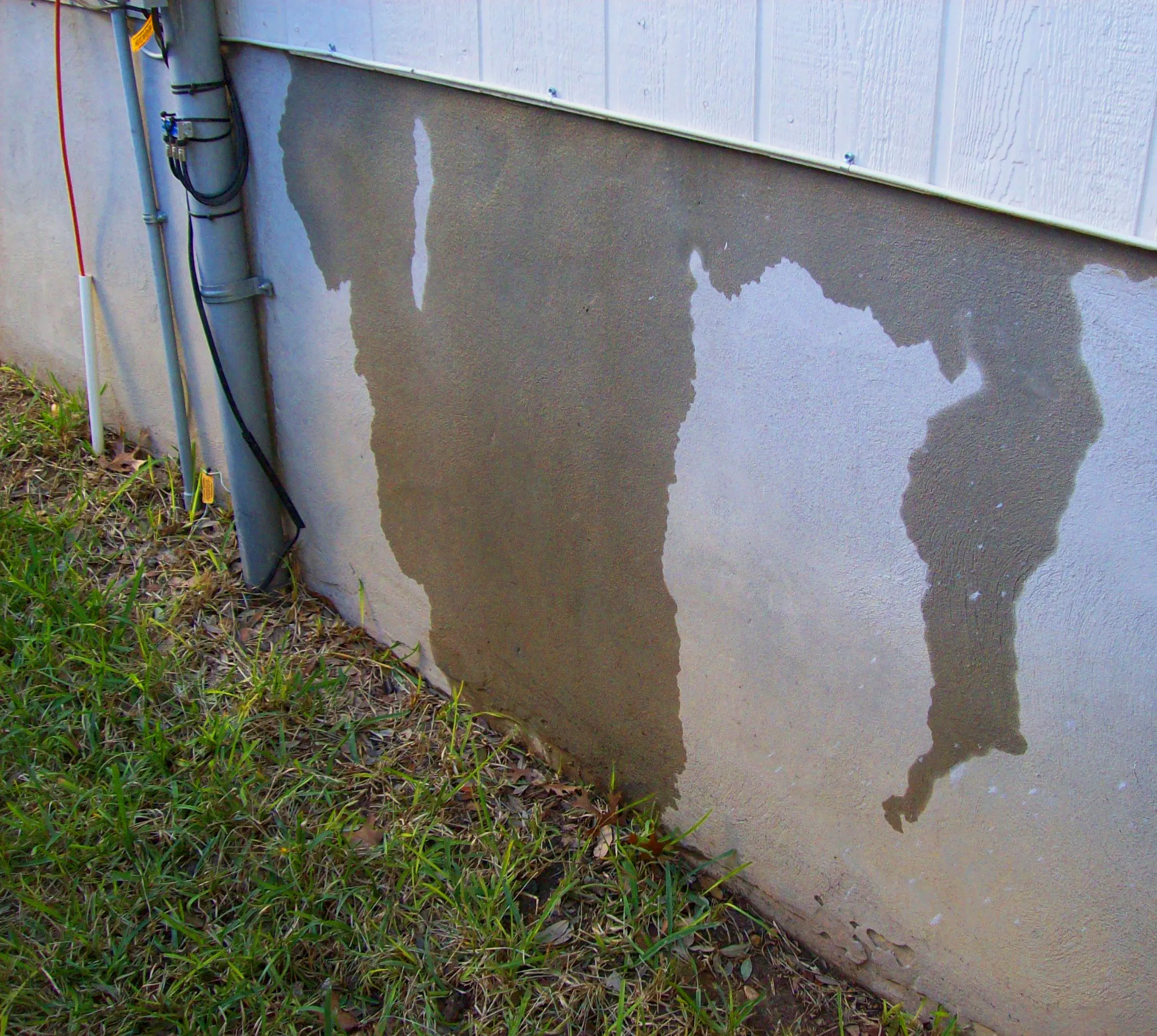
Slab Leak Detection & Repair
A warm patch on the floor, the sound of water under the concrete, and a bill that keeps climbing. We pinpoint the line before anything is opened — then spot-repair, reroute, or repipe.
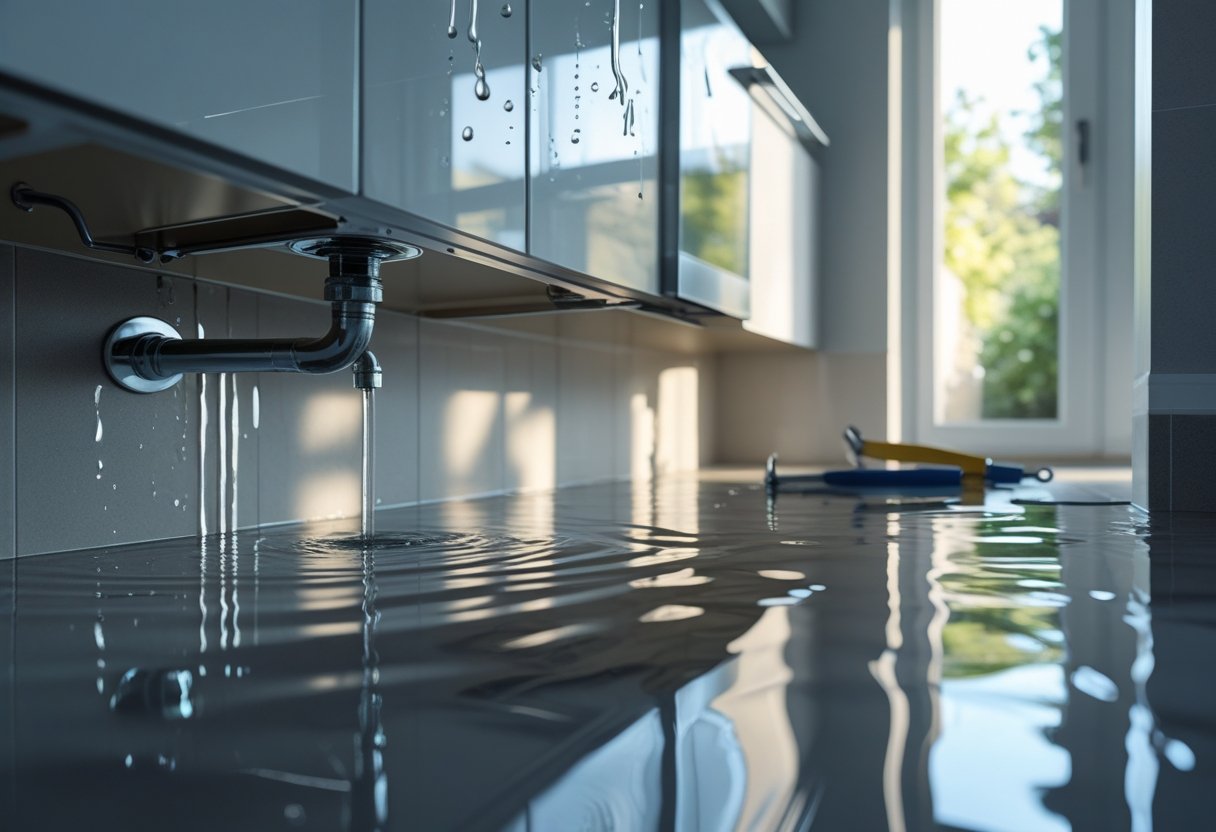
Hidden Wall & Ceiling Leaks
Stains, bubbling paint, or a soft spot in the drywall — usually well away from the actual leak. Acoustic listening and thermal imaging find the source so we open one spot, not a wall.
Underground & Main Line Leaks
Soggy ground, a green stripe across the yard, or pressure that dropped overnight. We trace the buried line electronically and locate the break without trenching the whole run.
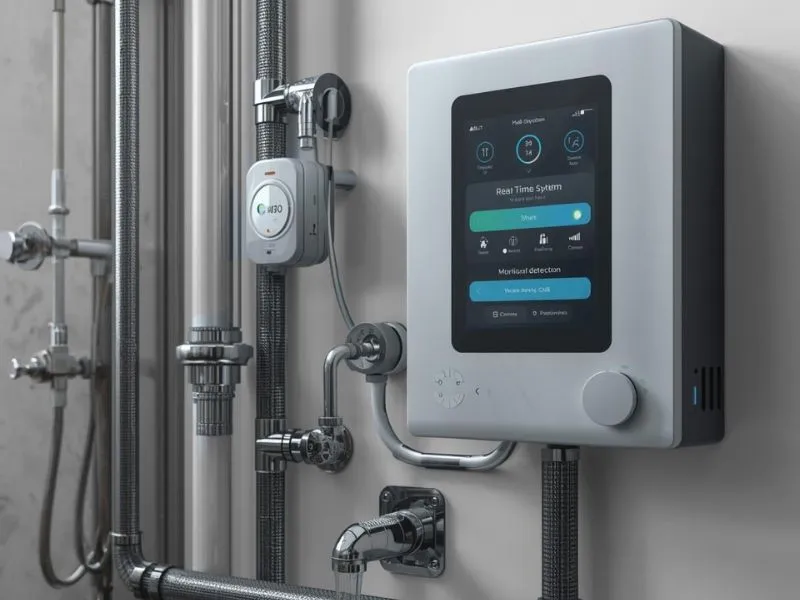
High Water Bill Investigation
If your usage jumped and nothing changed, water is going somewhere. We run a meter test and pressure isolation to confirm there's a leak and narrow down which line is losing it.
Need Service? Available Now
Call Now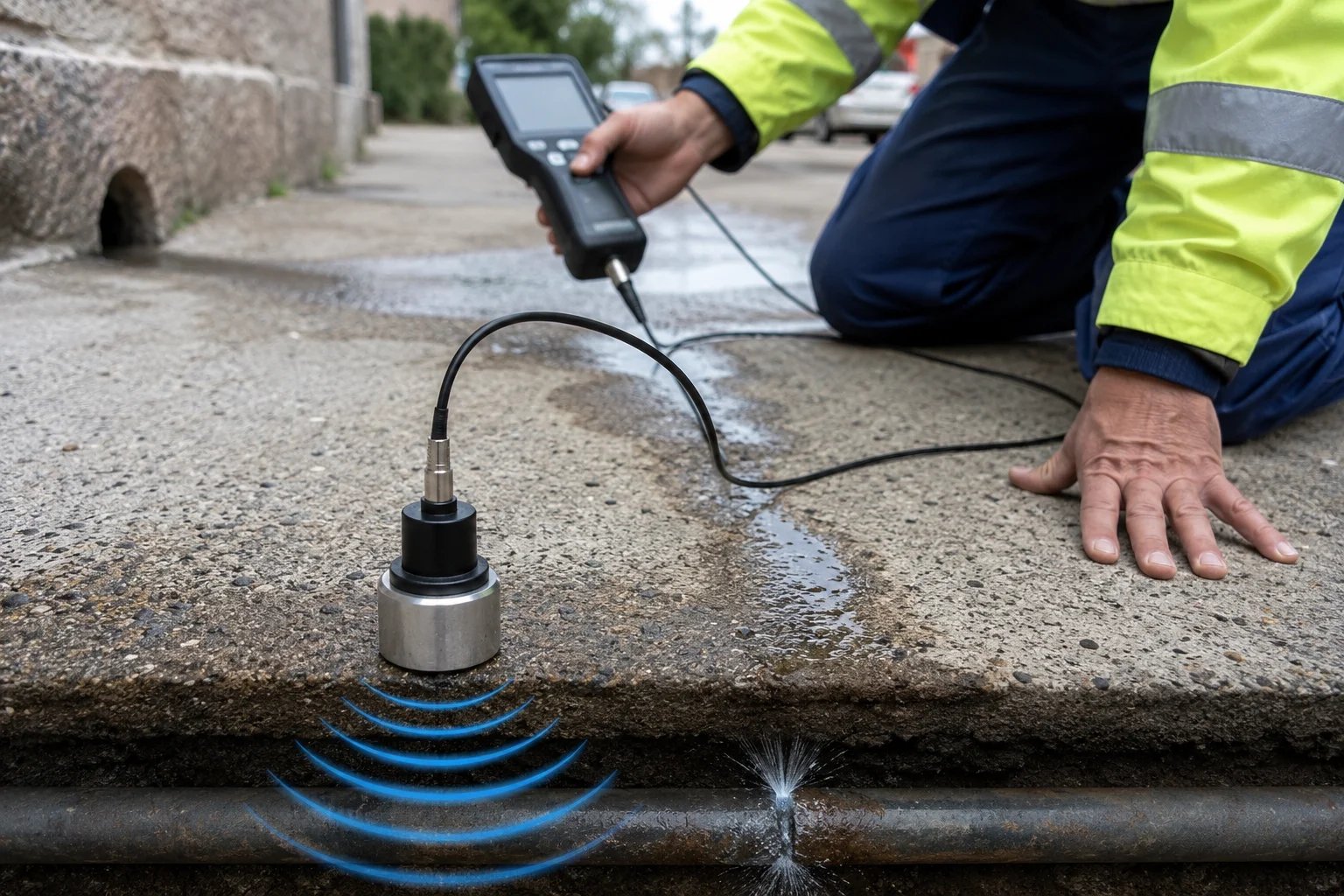
Acoustic & Thermal Imaging
Pressurized water escaping a pipe makes a sound you can hear with the right equipment, and it changes the temperature of the surface above it. Both let us find a leak without guessing.
Pipe Repair, Reroute & Repipe
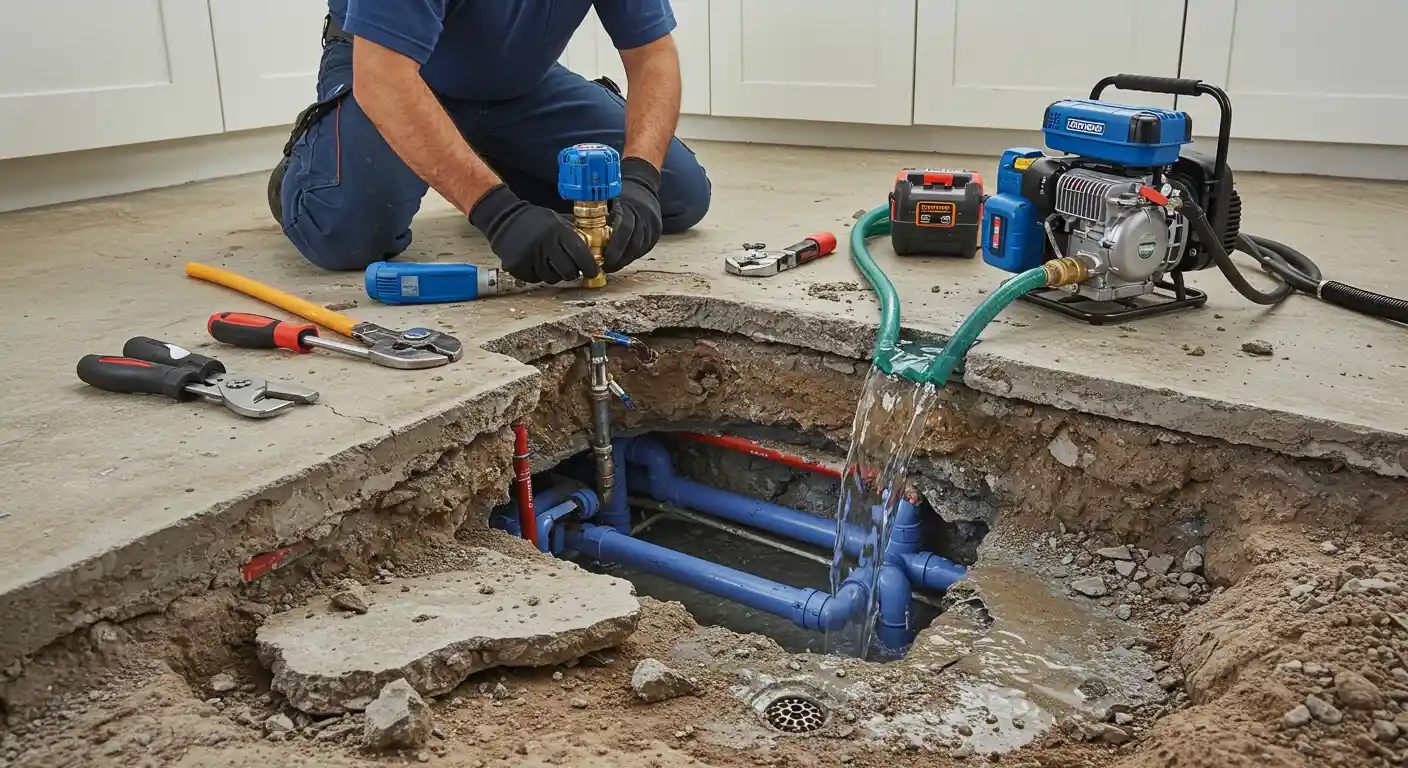
Finding it is half the job. We fix it too — a spot repair when the line is otherwise sound, an overhead reroute to keep the slab closed, or a repipe when a line has failed more than once.
Honest Pricing, No Surprises
Wondering what it will cost? Here's exactly how it works. Getting connected to a local plumbing pro is straightforward, and you'll always know the price before any work begins — no pressure, no guesswork.
No Cost to Get Connected
Reaching out costs you nothing. We connect you with a local plumbing pro at no charge — you only pay for the work you decide to move forward with.
Up-Front, No-Obligation Quote
Get a clear quote before any work starts. Review the price, ask questions, and decide on your own terms — there's never any obligation to commit.
No Hidden Fees
The price you discuss is the price you plan around — no surprise add-ons buried in the bill. You'll know what to expect before the job begins.
Signs You Have a Hidden Water Leak
Most hidden leaks announce themselves long before you see water. If any of these sound familiar, it's time to call a leak detection company:
A water bill that jumped for no reason
An unexplained increase in water usage is the single most common sign of a hidden leak — even a small one wastes thousands of gallons a month.
The water meter runs with everything off
Turn off every fixture and appliance, then watch your meter. If it's still moving, water is escaping somewhere between the meter and your taps.
A warm spot on the floor
A classic slab leak symptom — a hot water line leaking under the concrete slab warms the flooring above it.
Damp drywall, stains, or peeling paint
Water traveling inside a wall or ceiling shows up as discoloration, bubbling, or soft spots — often far from the actual leak point.
Musty smells or mildew
Persistent moisture where it shouldn't be feeds mold and mildew. A musty room with no visible water often has a leak behind the finish.
Running water sounds or a pressure drop
Hearing water move when nothing is on, or noticing weaker pressure at your fixtures, points to water escaping the supply lines.
Cracks in the floor, or tile that has lifted
Water escaping under a slab washes out the soil supporting it. Hairline cracks that keep growing, or tile and laminate that has started to lift, can be the foundation moving above a leak.
Foundation soil that stays wet in dry weather
Ground along one side of the house that never dries out, or grass that's noticeably greener over a single strip, usually means a buried supply line is losing water.
How We Find Leaks — Without Tearing Up Your Home
Modern leak detection is about pinpointing the leak before anything gets opened up. Depending on the situation, that means acoustic listening equipment that hears water escaping a pressurized line, electronic line tracing to map exactly where your pipes run, thermal imaging to spot temperature changes behind walls and under floors, and pressure isolation testing to confirm which line is losing water.
The order matters as much as the equipment. We start non-invasive and narrow down: isolate the system to prove there is a leak at all, separate supply-side from drain-side, trace the line, then locate the point. Skipping straight to opening a wall is how people end up with three holes and an unfound leak.
The result: instead of exploratory demolition, the wall or slab is opened only at the leak itself — and drain-side leaks get a camera inspection through the pipe, no digging required.
Slab Leaks: What They Are and How They're Fixed
A slab leak is a leak in a water line running beneath your home's concrete foundation. Warm floor spots, the sound of running water below, and a spiking bill are the usual tells. Left alone, slab leaks erode soil, crack foundations, and feed mold — finding them early is genuinely money-saving.
Once located, there are three honest options: a spot repair that opens the slab at the pinpointed leak, rerouting that line overhead so the slab stays untouched, or repiping when the line has failed in more than one place. You'll get a clear recommendation and a no-obligation quote before any work begins.
Which one is right depends less on price than on why the line failed. A single pinhole in an otherwise sound copper line is a spot repair. A hot-water line that has already leaked once under the slab will very often leak again, which is when a reroute stops being the expensive option and starts being the better value.
Supply-Side vs. Drain-Side — Why It Changes Everything
Supply lines are pressurized, so a supply leak runs constantly whether or not anyone is using water. That's what drives a bill up and what acoustic equipment can hear. Drain lines only carry water when something upstream is running, so a drain leak is intermittent, silent between uses, and invisible on the meter.
The distinction decides the method. A supply leak is confirmed with a meter test and pressure isolation and located acoustically. A drain leak is found with a camera run through the line, sometimes with dye or smoke to prove where it escapes. Using the wrong approach is the usual reason a leak is called 'undetectable'.
It also decides the urgency. A pressurized leak is losing water every minute and can undermine a foundation. A drain leak is slower, but it's releasing wastewater into the structure rather than clean water, so it does its damage differently. Neither should wait long.
What It Costs to Wait
Leak detection is one of the few plumbing calls where delay reliably costs more than the visit:
The water itself
A leak the size of a pinhole can waste thousands of gallons a month, every month, and it shows up on every bill until it's fixed.
Structural damage
Water under a slab washes out supporting soil; water in a wall reaches framing, subfloor, and insulation. Both turn a plumbing repair into a construction repair.
Mold remediation
Sustained moisture behind a finish grows mold, and remediation is frequently the largest line on the final bill — larger than finding and fixing the leak that caused it.
A bigger opening
The longer a leak runs, the more of the surrounding material is compromised, and the more has to come out to reach and repair the pipe.
Frequently Asked Questions
How do I know if I have a water leak?
The quickest check: turn off every fixture and water-using appliance, then watch your water meter for a few minutes. If it moves, you have a leak. Other common signs are an unexplained jump in your water bill, damp or stained drywall, musty smells, warm spots on the floor, and the sound of running water when nothing is on.
How do plumbers find leaks without tearing out walls?
With electronic leak detection: acoustic listening equipment, line tracing, thermal imaging, and pressure isolation testing pinpoint the leak first, so the wall, floor, or slab is opened only at the exact spot — not torn out on a hunch.
What are the signs of a slab leak?
Warm spots on the floor, the sound of water running under the house, cracks in flooring or walls, a spiking water bill, and reduced water pressure. If you're seeing these, call promptly — slab leaks undermine the soil under your foundation the longer they run.
Is a water leak an emergency?
An active leak you can see or hear is worth treating as one — shut off your main water valve and call. Emergency service is available 24/7, and stopping the water early is the difference between a pipe repair and a restoration project.
How long does leak detection take?
Most residential leak detection visits locate the leak the same visit — typically within an hour or two depending on the home and how the lines run. Many leaks can then be repaired on the spot.
How much does leak detection cost?
It depends on the home and how hard the leak is hiding, so we won't pretend there's one price — but you'll always get an up-front, no-obligation quote before any work begins, and getting connected with a local pro costs you nothing.
Pool losing water? Pool & Spa Leak Detection →
Same-Day Service Available · Trusted Experts · No Hidden Fees
Call NowCall (888) 664-0386Disclaimer: Plumbingservicenearby.com is a free service to assist homeowners in connecting with local service providers. All contractors/providers are independent and plumbingservicenearby does not warrant or guarantee any work performed. It is the responsibility of the homeowner to verify that the hired contractor furnishes the necessary license and insurance required for the work being performed. All persons depicted in a photo or video are actors or models and not contractors listed on plumbingservicenearby.
Same-day and 24/7 emergency services are subject to provider participation, location, technician availability, and demand. Availability is not guaranteed and may vary by market and appointment capacity.