Open Now
24/7 Emergency Service Available
Clean Water Purification Systems
★★★★★
Trusted by Homeowners & Companies
24/7 Rapid Response | Residential & Commercial
24/7 Rapid Response | Residential & Commercial
Clean, safe water throughout your entire home. We install and maintain advanced filtration, reverse osmosis, UV sterilization, and salt-free softener systems for residential and commercial properties.
- Reverse Osmosis Systems
- Whole-Home Water Filtration
- UV & UV-C LED Sterilization
- Salt-Free Water Softeners
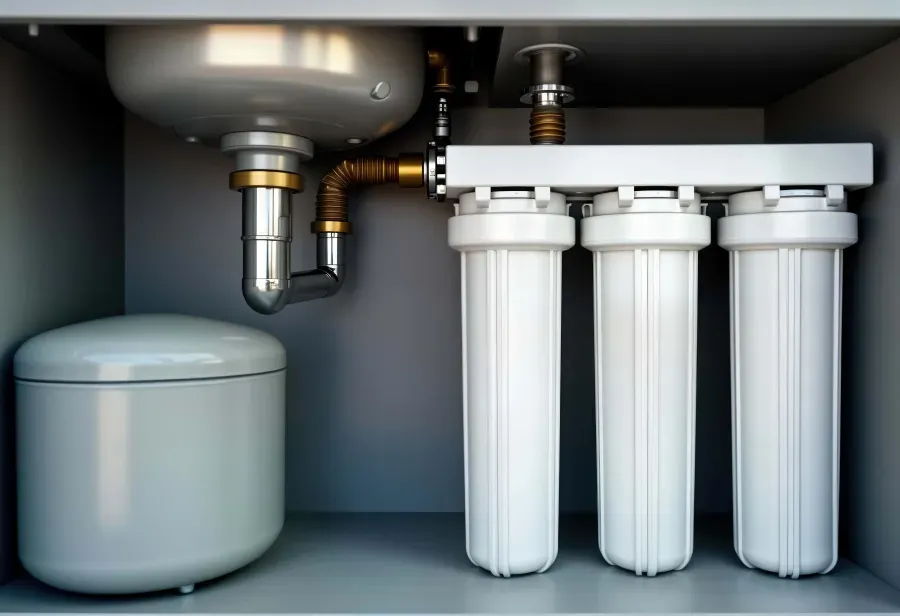
- Under-Sink Filter Installation
- Smart IoT Water Monitoring
- Filter Replacements & Maintenance
- Water Quality Testing
- Reverse Osmosis Systems
- Whole-Home Water Filtration
- UV & UV-C LED Sterilization
- Salt-Free Water Softeners
- Under-Sink Filter Installation
- Smart IoT Water Monitoring
- Filter Replacements & Maintenance
- Water Quality Testing
Available Now — Call for Same-Day Service
Tell us the problem → we connect you to a local pro → quote on the call, no obligation
Need Service? Available Now
Call NowCall (888) 664-0386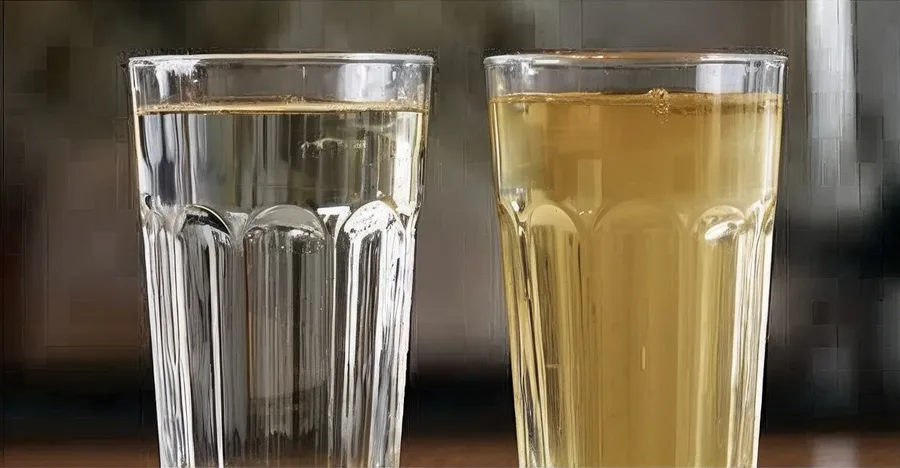
Honest Pricing, No Surprises
Wondering what it will cost? Here's exactly how it works. Getting connected to a local plumbing pro is straightforward, and you'll always know the price before any work begins — no pressure, no guesswork.
No Cost to Get Connected
Reaching out costs you nothing. We connect you with a local plumbing pro at no charge — you only pay for the work you decide to move forward with.
Up-Front, No-Obligation Quote
Get a clear quote before any work starts. Review the price, ask questions, and decide on your own terms — there's never any obligation to commit.
No Hidden Fees
The price you discuss is the price you plan around — no surprise add-ons buried in the bill. You'll know what to expect before the job begins.
Test First, Buy Second
Almost everyone who overspends on water treatment does it the same way: they buy a system before knowing what is in the water. The test is the inexpensive part and it determines everything else — a softener does nothing about lead, and reverse osmosis is an expensive way to solve a chlorine taste.
On municipal water, start with the annual Consumer Confidence Report your utility publishes at no cost; it covers what leaves the treatment plant, though not what your own service line and pipes add on the way. A test at your tap closes that gap: basic kits run $50–$150, comprehensive lab panels $150–$400. On a private well there is no report — testing is the only way to know, and it is worth repeating after flooding or any change in taste, smell or clarity.
Matching the System to the Problem
Each of these solves a different problem. Most homes need one or two of them, not all of them:
Scale, spotted glassware, soap that won't lather
That is hardness — calcium and magnesium. A salt-based softener removes them by ion exchange; a salt-free conditioner leaves them present but far less able to stick. Both protect a water heater; only the first gives you genuinely soft water.
Chlorine taste or a pool-like smell
Carbon filtration, whole-home or at the tap. This is one of the most noticeable improvements per dollar, and it is not a job that needs reverse osmosis.
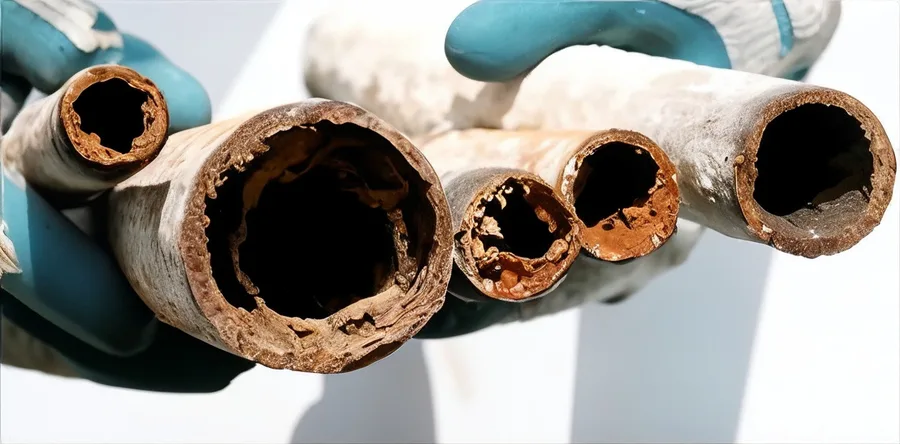
Rust-orange staining in sinks and tubs
Iron, and sometimes manganese. An oxidising or greensand filter handles it. Softeners are frequently mis-sold for this and will be overwhelmed by anything beyond trace levels.
Bacteria, or any well after flooding
UV sterilisation. It inactivates organisms continuously with no chemicals, and pairs with a sediment pre-filter, because UV only works on water clear enough for the light to pass through.
Lead, PFAS, high dissolved solids
Reverse osmosis at the point of use. It is the right tool for exactly this and an inefficient one for whole-house volume, which is why it usually lives under the kitchen sink.
Grit, sand, visible sediment
A sediment pre-filter ahead of everything else. Inexpensive on its own, and it protects every downstream component you paid more for.
Salt or Salt-Free — the Honest Comparison
These are marketed as the same product and are not. Ion exchange with salt physically removes hardness minerals: soft water at every tap, better lather, no scale. The costs are ongoing salt, a brine discharge some jurisdictions restrict, and slightly higher sodium in the water.
Salt-free conditioning changes how the minerals crystallise so they stay suspended rather than bonding to pipe and heater elements. No salt, no brine, nearly no maintenance — and the hardness is still there, so glassware will still spot. If your goal is protecting equipment, conditioning does it. If your goal is soft water you can feel, only salt delivers that, and anyone telling you otherwise is selling.
What It Costs — Including Upkeep
Typical installed ranges: under-sink reverse osmosis $300–$800; whole-home carbon filtration $1,000–$3,500; a salt-based softener $1,200–$3,500; a salt-free conditioner $800–$2,500; UV sterilisation $600–$1,500; an iron filter $1,500–$3,000.
Running cost belongs in the decision, so it goes in the quote: $50–$300 a year in replacement filters depending on the system, plus salt for an ion-exchange softener. Change intervals run roughly 3–6 months for sediment pre-filters, 6–12 for carbon, 2–5 years for RO membranes, and annually for UV lamps — whose output falls well before the lamp stops glowing, which is the one most people miss.
Frequently Asked Questions
How do I find out what's actually in my water?
Start with the report you can get at no cost: if you're on municipal water, your utility publishes an annual Consumer Confidence Report listing what it tests for. That covers the water leaving the plant, not what your own pipes add, so a point-of-use test at the tap is the second step — basic kits run $50–$150 and comprehensive lab panels $150–$400. On a private well, testing is the only option, since nobody is testing it for you.
Do I need a softener or a filter? They're not the same thing.
They solve different problems. A softener targets hardness — the calcium and magnesium behind scale, spotted glassware and soap that won't lather. A filter targets what you can taste, smell, or shouldn't drink: chlorine, sediment, iron, lead, and dissolved contaminants. Plenty of homes need one and not the other, and being sold both without a test is the most common way people overspend here.
Is a salt-free system as good as a salt-based softener?
Honestly, not for the same job. Salt-free systems condition water — they change how minerals crystallise so scale is far less likely to stick to pipes and heaters — but the hardness minerals are still in the water. If your goal is protecting a water heater and fixtures, conditioning does that with no salt, no brine discharge and no ongoing salt purchases. If you want genuinely soft water at the tap, only ion exchange with salt delivers it. You'll get that distinction before you buy, not after.
What system matches which problem?
Roughly: hardness and scale point to a softener or conditioner; chlorine taste and odour to carbon filtration; rust staining on fixtures to an iron or oxidising filter; bacteria in well water to UV sterilisation; and lead, PFAS or high dissolved solids to reverse osmosis at the point of use. Grit and sediment get a pre-filter ahead of whatever else you install, because it protects the rest.
Do I still need reverse osmosis if I have a whole-home filter?
Often yes, and it isn't redundant. Whole-home filtration handles volume — chlorine, sediment, and the water reaching every fixture and appliance. RO handles the fine work at one tap: dissolved solids, lead, and contaminants that whole-home carbon doesn't remove. The usual sensible combination is a whole-home filter plus RO at the kitchen sink.
How much do these systems cost, and what about upkeep?
Typical installed ranges: under-sink RO $300–$800; whole-home carbon filtration $1,000–$3,500; a salt-based softener $1,200–$3,500; a salt-free conditioner $800–$2,500; UV sterilisation $600–$1,500; an iron filter $1,500–$3,000. Budget $50–$300 a year for replacement filters depending on the system, plus salt for an ion-exchange softener — running cost is part of the quote, not a surprise later.
How often do filters actually need changing?
Sediment pre-filters every 3–6 months, carbon blocks every 6–12, RO membranes every 2–5 years, and UV lamps annually whether or not they still glow — output drops well before the lamp dies, which is the part people miss. Hard or heavily sedimented water shortens all of these, and skipping changes turns a filter into a place where the contaminants sit.
Staining or scale from a private well? Well Pump Service →
Same-Day Service Available · Trusted Experts · No Hidden Fees
Call NowCall (888) 664-0386Disclaimer: Plumbingservicenearby.com is a free service to assist homeowners in connecting with local service providers. All contractors/providers are independent and plumbingservicenearby does not warrant or guarantee any work performed. It is the responsibility of the homeowner to verify that the hired contractor furnishes the necessary license and insurance required for the work being performed. All persons depicted in a photo or video are actors or models and not contractors listed on plumbingservicenearby.
Same-day and 24/7 emergency services are subject to provider participation, location, technician availability, and demand. Availability is not guaranteed and may vary by market and appointment capacity.