Open Now
24/7 Emergency Service Available
Water Heater Repair, Replacement & Installation
★★★★★
Trusted by Homeowners & Companies
24/7 Rapid Response | Residential & Commercial
24/7 Rapid Response | Residential & Commercial
No hot water? Water heater leaking or not heating? We're available now for same-day water heater repair. Need a replacement? Call for a no-obligation estimate on tank and tankless water heaters — gas and electric, all brands and sizes.
- Same-day water heater repair
- No hot water? Emergency service available
- Water heater replacement & new installation
- Tank & tankless water heaters
- Gas & electric — all brands serviced
- No-obligation estimates on replacement & installation
- Energy-efficient upgrades
- Same-day water heater repair
- No hot water? Emergency service available
- Water heater replacement & new installation
- Tank & tankless water heaters
- Gas & electric — all brands serviced
- No-obligation estimates on replacement & installation
- Energy-efficient upgrades
Available Now — Call for Same-Day Service
Tell us the problem → we connect you to a local pro → quote on the call, no obligation
Need Service? Available Now
Call NowCall (888) 664-0386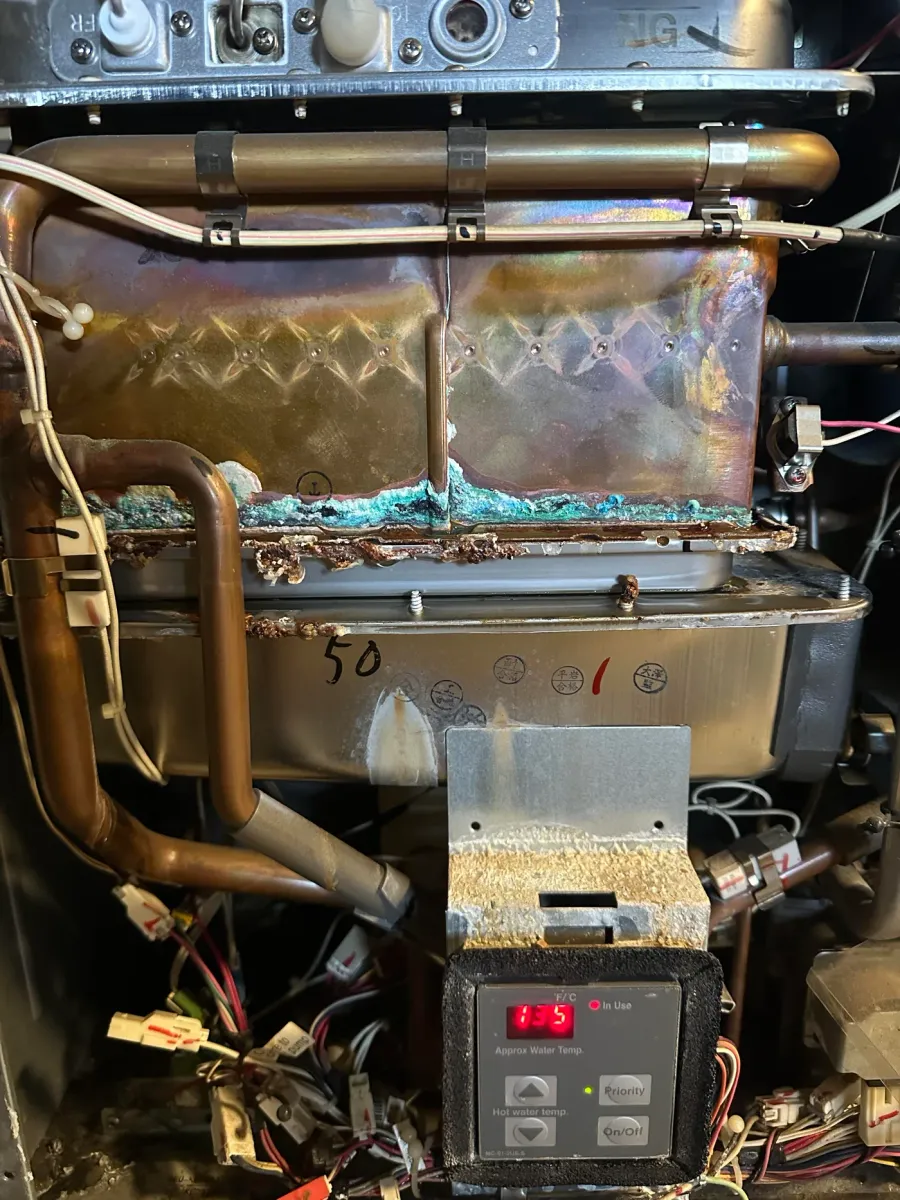
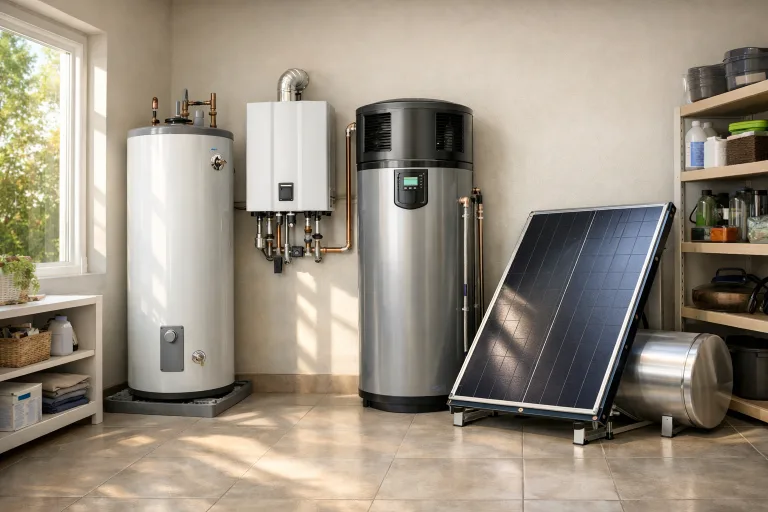
No Hot Water — Same-Day Repair
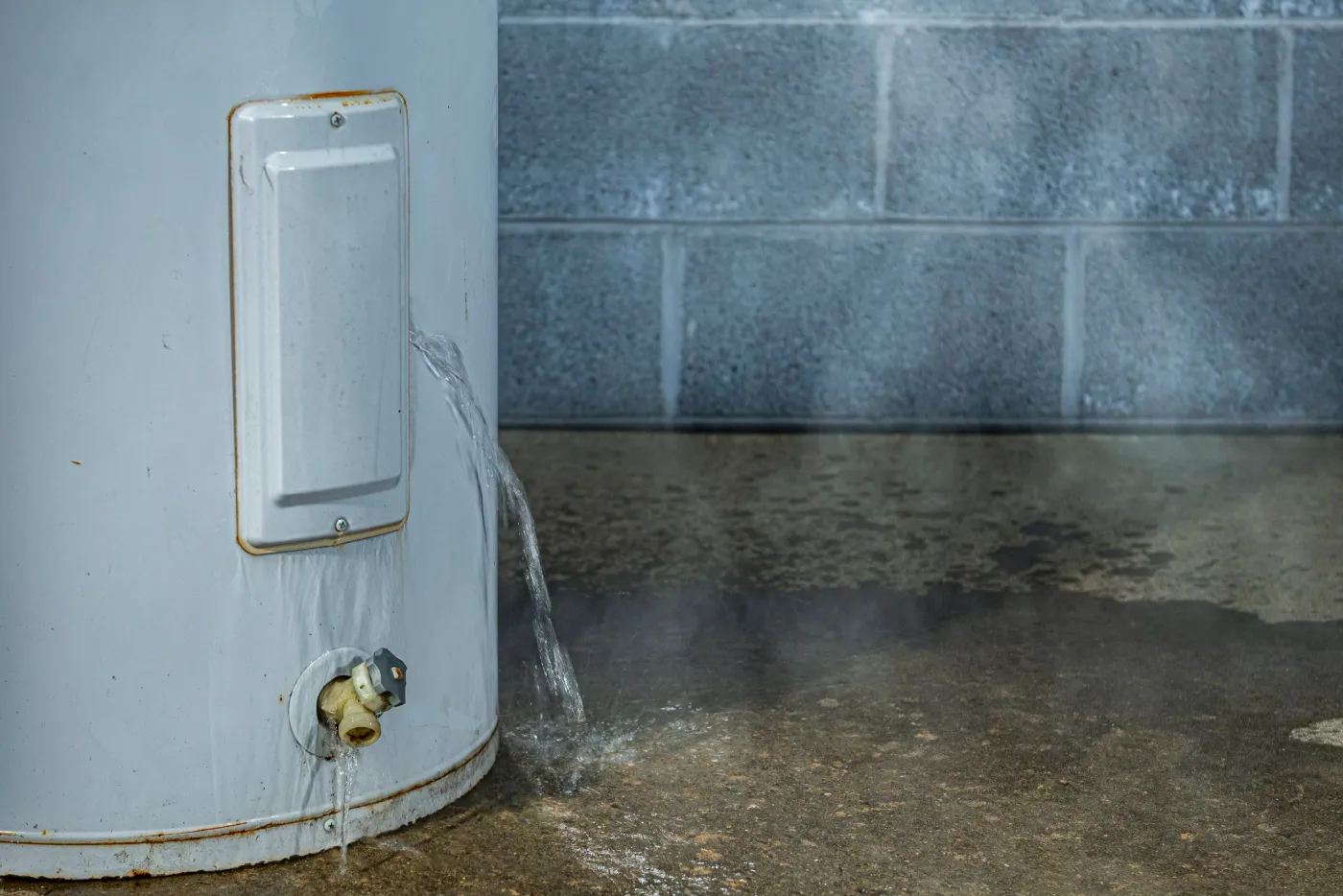
Cold shower this morning? A dead heating element, tripped thermostat, failed pilot, or gas ignition fault is usually a same-day fix. Call now and we'll get a plumber to you today.
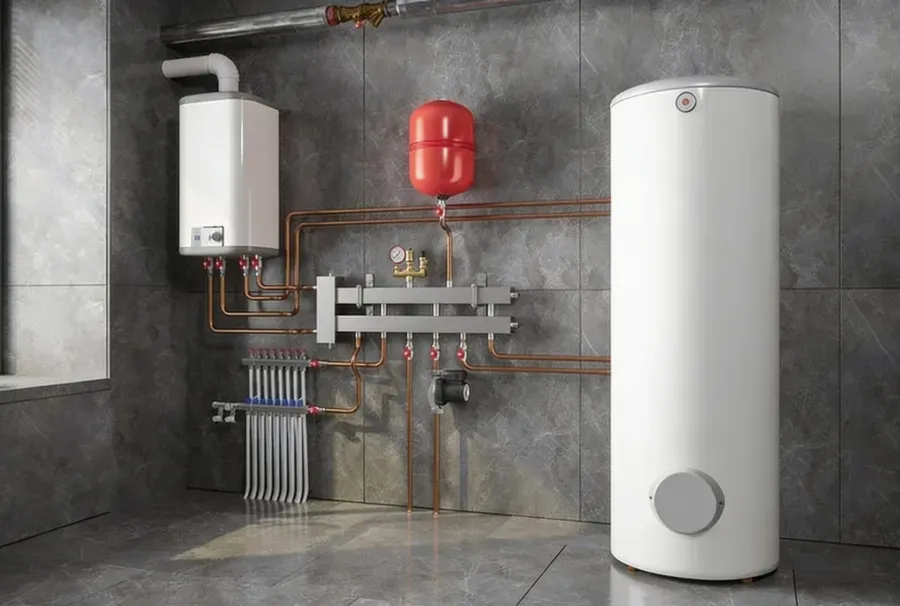
Leaking Water Heater
Water pooling at the base of the tank, a dripping T&P valve, or a weeping fitting. Valve and connection leaks are often repairable — a leaking tank is not. We'll tell you which one you have.
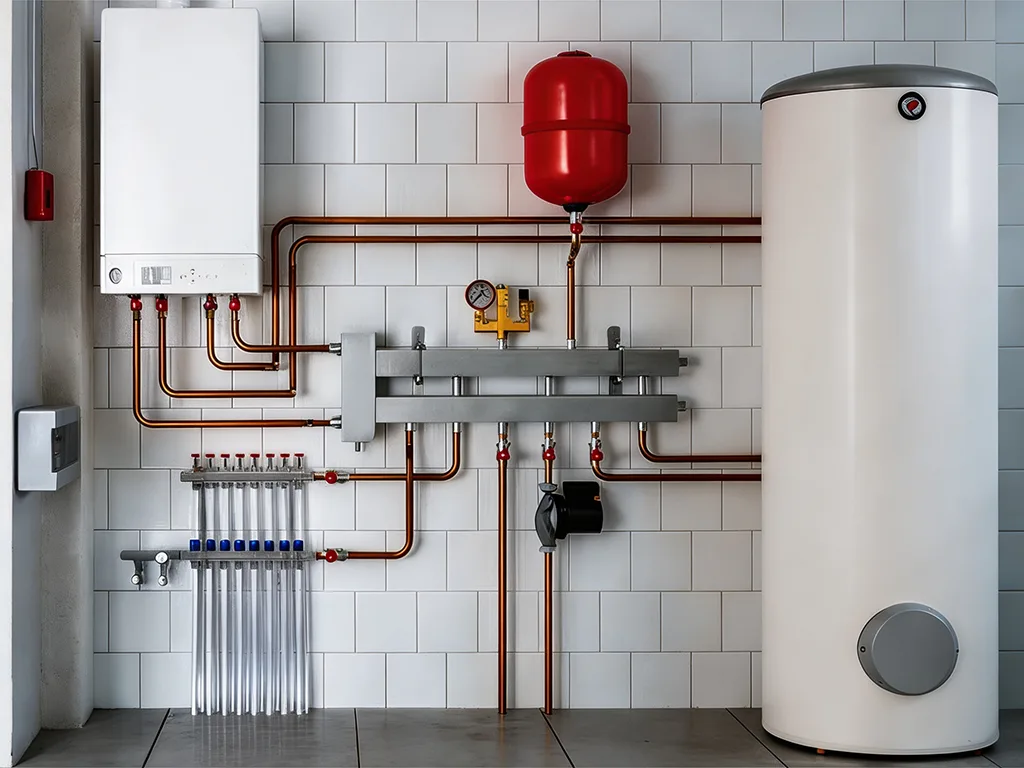
Water Heater Replacement
Past ten years, rusting, or failing repeatedly? We size and install the replacement — tank or tankless, gas or electric, any capacity. No-obligation estimate before any work starts.
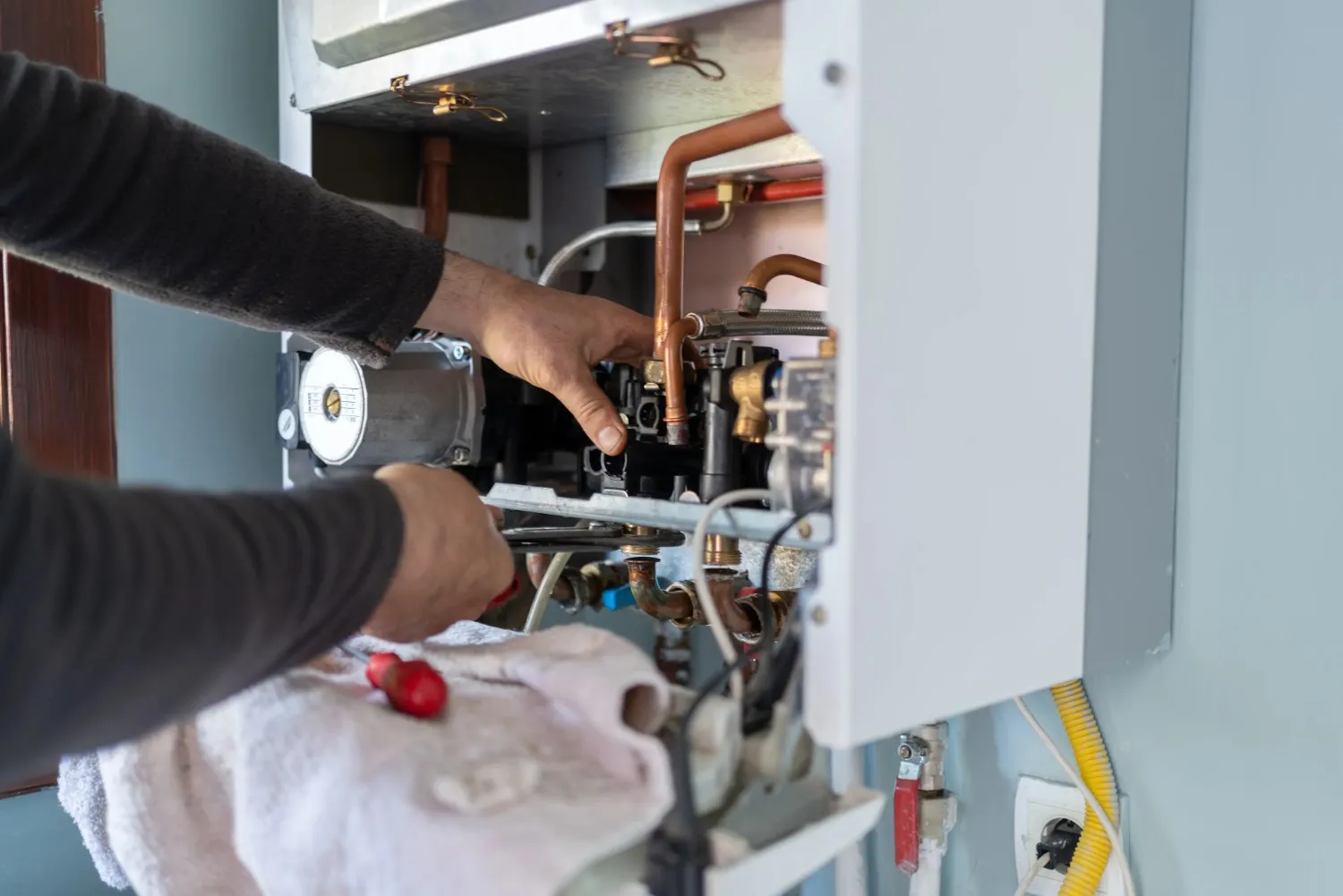
Tankless Installation & Service
Endless hot water and a much smaller footprint. We install new tankless systems, convert from tank, and service error codes, scale buildup, and flow-sensor faults on all major brands.
Need Service? Available Now
Call Now
Flush, Descale & Annual Service
Rumbling, popping, or hot water that runs out fast usually means sediment on the tank floor. A flush and anode-rod check — or a descale on a tankless unit — quiets it down and adds years to a heater you'd otherwise replace.
Gas & Water Line Connections
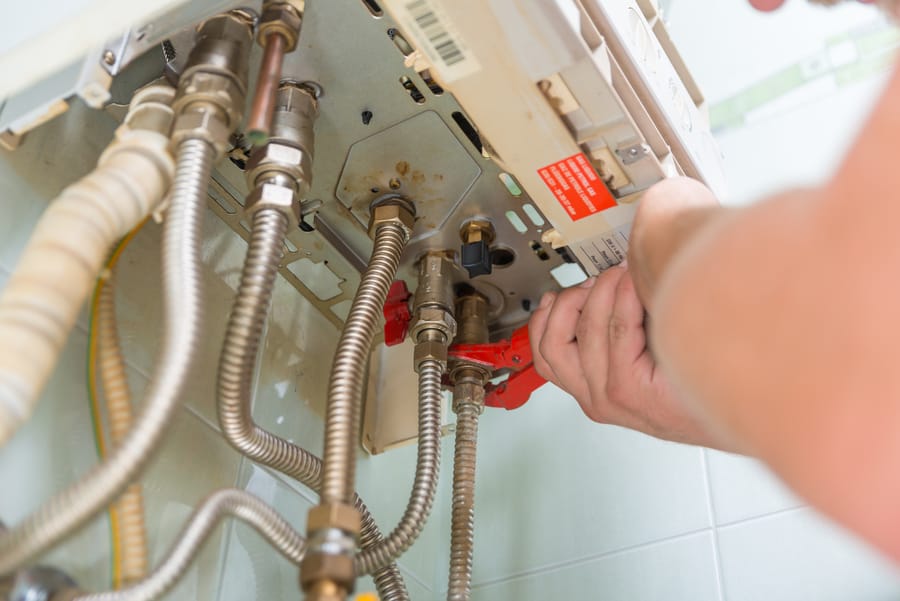
Replacing a heater often means new gas connections, a shutoff valve, an expansion tank, or updated supply lines. We handle the connections as part of the job, to code.
Honest Pricing, No Surprises
Wondering what it will cost? Here's exactly how it works. Getting connected to a local plumbing pro is straightforward, and you'll always know the price before any work begins — no pressure, no guesswork.
No Cost to Get Connected
Reaching out costs you nothing. We connect you with a local plumbing pro at no charge — you only pay for the work you decide to move forward with.
Up-Front, No-Obligation Quote
Get a clear quote before any work starts. Review the price, ask questions, and decide on your own terms — there's never any obligation to commit.
No Hidden Fees
The price you discuss is the price you plan around — no surprise add-ons buried in the bill. You'll know what to expect before the job begins.
Common Water Heater Problems We Fix
If your water heater isn't working, you're not alone — these are the calls we handle every day:
No hot water at all
A failed heating element, thermostat, pilot light, or gas ignition — the most common emergency call, and usually a same-day fix.
Water not hot enough or runs out fast
Sediment buildup, an undersized tank, or a failing element can leave you with lukewarm water or short showers.
Leaking water heater
A dripping tank, valve leak, or pooling water at the base. Valve and fitting leaks are often repairable; a leaking tank usually means replacement.
Rumbling or popping noises
Sediment collecting on the tank bottom overheats the unit and shortens its life — flushing or repair can quiet it down.
Discolored or odd-smelling hot water
Usually a corroding anode rod or tank interior — an early warning sign worth addressing before it becomes a leak.
Tankless unit error codes
Scale buildup, flow-sensor, or ignition faults on tankless water heaters — all major brands serviced.
Pilot light won't stay lit
Usually a failing thermocouple, a dirty pilot orifice, or a draft problem at the flue. Inexpensive to fix, and not something to keep relighting week after week.
Water too hot, or scalding at the tap
A thermostat stuck high or a failed mixing valve. Worth treating as urgent in a home with children — and an easy adjustment or part swap in most cases.
Circuit breaker trips or the gas control shuts off
An electric element shorting to ground, or a gas control valve locking out on a fault. Both are protection working as intended, and both need diagnosing rather than resetting.
Repair or Replace? An Honest Answer
Most tank water heaters last 8–12 years. If yours is younger and the problem is a heating element, thermostat, valve, or pilot assembly, a repair usually makes sense. If the tank itself is leaking, or the unit is past 10 years and struggling, replacement is typically the smarter money — a new unit heats more efficiently and comes with a fresh warranty.
A useful rule of thumb: if the repair costs more than half of a replacement and the heater is past two-thirds of its expected life, replacing is usually the better spend. Below that, repair. We'll tell you which side of the line yours falls on before you commit to anything.
Age is easy to check yourself. Most manufacturers encode the build date in the serial number on the label, though every brand codes it differently — some lead with the month and year, others use a letter for the year. Read the label off to us on the call and we can usually date it for you, which makes the repair-or-replace answer far more useful before anyone comes out.
Either way, you'll get a clear, no-obligation quote and an honest recommendation before any work begins — repair when it's fixable, replacement only when it's truly time.
Tank vs. Tankless — Which Is Right for You?
Traditional tank water heaters cost less up front and are the simple like-for-like swap when replacing an existing unit. Tankless (on-demand) water heaters heat water as you use it — endless hot water, lower energy use, and a much smaller footprint, at a higher installed cost. Many homeowners also convert from an aging boiler-fed or tank system to tankless during replacement.
The trade-off is rarely just price. A tank stores hot water and delivers it instantly, but it runs out and it takes floor space. A tankless unit never runs out and lasts longer, but it needs adequate gas supply or electrical capacity, and a conversion sometimes means upgrading one of those. That's the part worth checking before you decide.
Sizing matters more than brand. A tank is sized by first-hour rating — how much hot water it can deliver during a busy morning — and a tankless unit by how many gallons per minute it can heat at your incoming water temperature, which is why the same model performs differently in different climates. Undersizing is the single most common reason a new heater disappoints.
Not sure? Ask on the call — we'll walk through sizing, fuel type (gas or electric), and what fits your home and budget.
What to Do Right Now If Your Heater Is Leaking
A leaking water heater can go from a damp floor to a flooded room quickly. Three steps before we arrive:
Shut off the water supply
Turn the valve on the cold inlet at the top of the tank clockwise until it stops. If that valve is stuck or you can't reach it, use the main shutoff for the house.
Cut the power or gas
For electric, switch off the breaker for the water heater. For gas, turn the gas control dial to OFF — do not shut the main gas line unless you're told to. Never leave an electric heater powered on a tank that may be draining.
Keep water away from anything electrical
Move stored items clear, and don't stand in standing water near the unit. If water is reaching outlets, panels, or a furnace, call it in as an emergency.
Getting More Years Out of the Heater You Have
Two pieces of maintenance do most of the work. Flushing sediment out of the tank once a year keeps the burner or lower element from overheating the steel around it, which is what turns a slow decline into a failed tank. And the anode rod — a sacrificial metal rod that corrodes so the tank doesn't — is worth inspecting every few years and replacing when it's spent. A rod costs a fraction of a heater.
Two small settings help too. Around 120°F is the usual recommendation: hot enough for household use, cool enough to slow scale and reduce scald risk, and it lowers standby losses. And testing the temperature and pressure relief valve once a year confirms the one safety device on the tank still opens.
If your water is hard, expect all of this to matter sooner — scale accelerates every failure mode above, on tank and tankless alike. Homes on hard water often see the difference between a heater that reaches twelve years and one that fails at seven.
Frequently Asked Questions
Why do I have no hot water in my house?
The most common causes are a tripped breaker or blown fuse (electric), a pilot light or ignition failure (gas), a failed heating element or thermostat, or a unit that has reached the end of its life. A technician can usually diagnose the cause quickly — call and describe what you're seeing, and we'll get same-day service headed your way.
Should I repair or replace my water heater?
As a rule of thumb: repair if the unit is under 8–10 years old and the fix is a component (element, thermostat, valve); replace if the tank itself leaks or the unit is past 10 years. You'll get an honest recommendation and a no-obligation quote before deciding.
How long does water heater replacement take?
A standard like-for-like tank replacement is typically completed the same day, often within a few hours once the new unit is on site. Tankless conversions take longer due to venting and line changes — you'll get a time estimate with your quote.
Do you service both gas and electric water heaters?
Yes — gas, electric, tank, and tankless, across all major brands.
Can I replace my old water heater or boiler-fed system with a tankless unit?
In most homes, yes. Converting to tankless involves new venting and water/gas line adjustments, and it pays back in energy savings and endless hot water. Call for a no-obligation estimate on a tankless conversion.
How much does water heater repair cost?
It depends on the failure and the unit, so we won't pretend there's one price — but you'll always get an up-front, no-obligation quote before any work begins, and getting connected with a local pro costs you nothing.
Water heater fine but a pipe is leaking? Leak Detection & Repair →
Same-Day Service Available · Trusted Experts · No Hidden Fees
Call NowCall (888) 664-0386Disclaimer: Plumbingservicenearby.com is a free service to assist homeowners in connecting with local service providers. All contractors/providers are independent and plumbingservicenearby does not warrant or guarantee any work performed. It is the responsibility of the homeowner to verify that the hired contractor furnishes the necessary license and insurance required for the work being performed. All persons depicted in a photo or video are actors or models and not contractors listed on plumbingservicenearby.
Same-day and 24/7 emergency services are subject to provider participation, location, technician availability, and demand. Availability is not guaranteed and may vary by market and appointment capacity.