Open Now
24/7 Emergency Service Available
Sewer Line Repair, Main Line Cleaning & Water Line Services
★★★★★
Trusted by Homeowners & Companies
24/7 Rapid Response | Residential & Commercial
24/7 Rapid Response | Residential & Commercial
Sewer line backed up, leaking, or slow? Call for a no-obligation estimate on sewer line repair and replacement, main line cleaning, and water line repair. We assess the problem with a camera inspection when needed, explain your options — including trenchless pipe lining — and give you an honest price.
- Sewer Line Repair & Replacement
- Main Line & Sewer Line Cleaning
- Water Line Repair & Installation
- Water Main Replacement
- Trenchless & Pipe Lining Technology
- Slab Leak Repair
- Gas Line Repair & Installation
- Video Camera Pipe Inspections
- 24/7 Rapid Emergency Response
- Sewer Line Repair & Replacement
- Main Line & Sewer Line Cleaning
- Water Line Repair & Installation
- Water Main Replacement
- Trenchless & Pipe Lining Technology
- Slab Leak Repair
- Gas Line Repair & Installation
- Video Camera Pipe Inspections
- 24/7 Rapid Emergency Response
Available Now — Call for Same-Day Service
Tell us the problem → we connect you to a local pro → quote on the call, no obligation
Need Service? Available Now
Call NowCall (888) 664-0386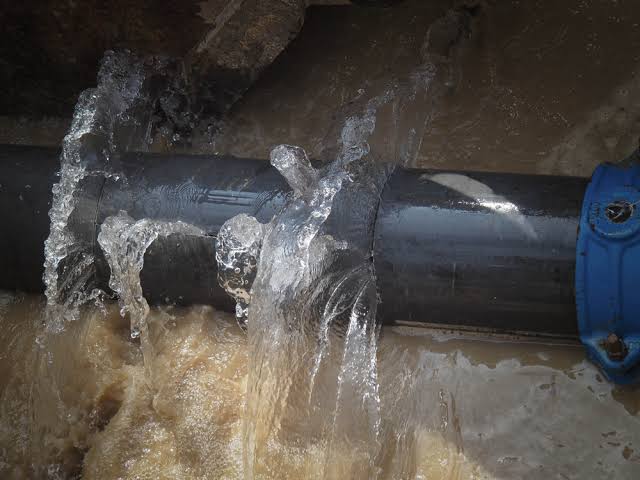
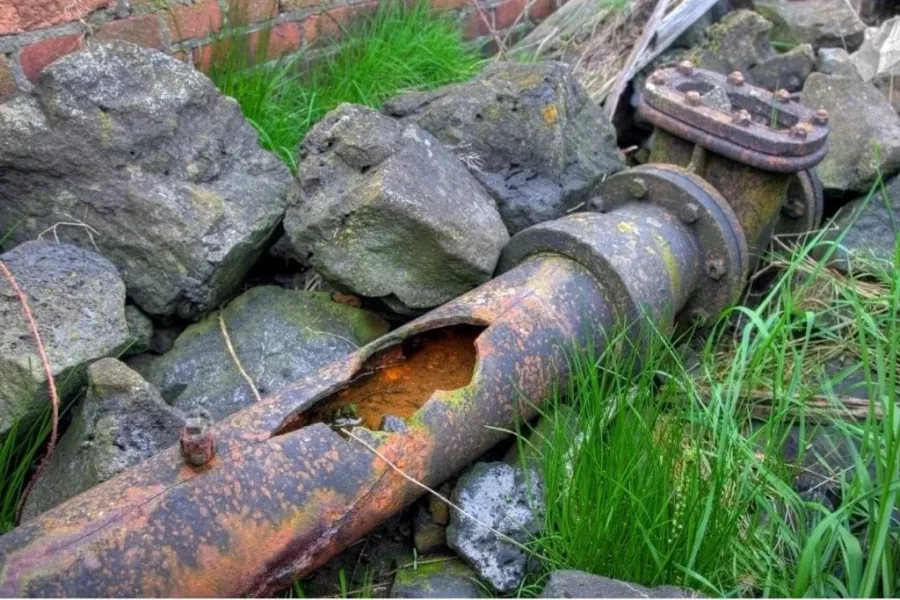
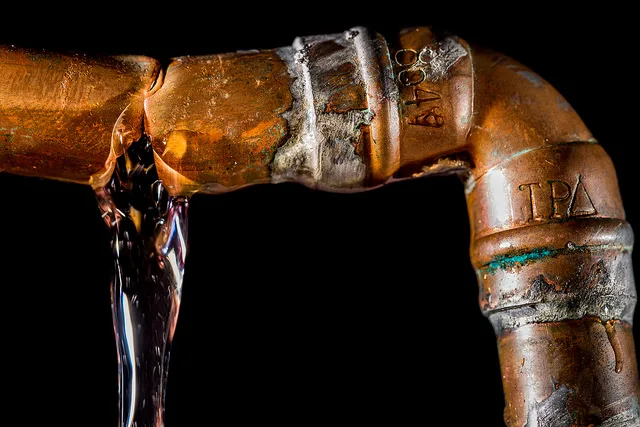
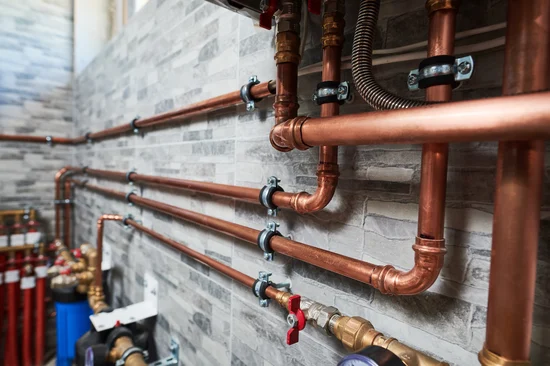
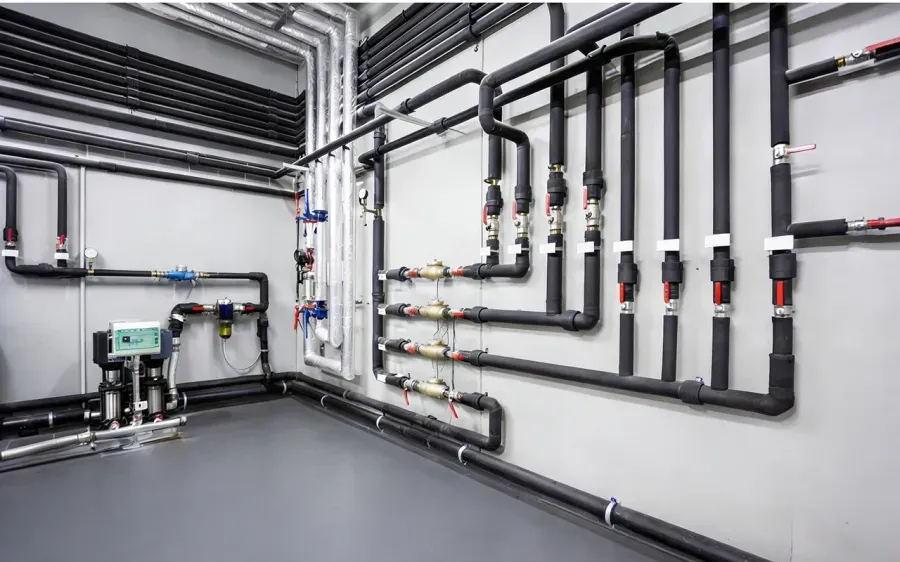
Sewer Line Repair & Replacement
Cracked, collapsed, root-invaded, or bellied line. We scope it first, then repair the located section, line it in place, or replace the run — and tell you plainly which one your pipe actually needs.
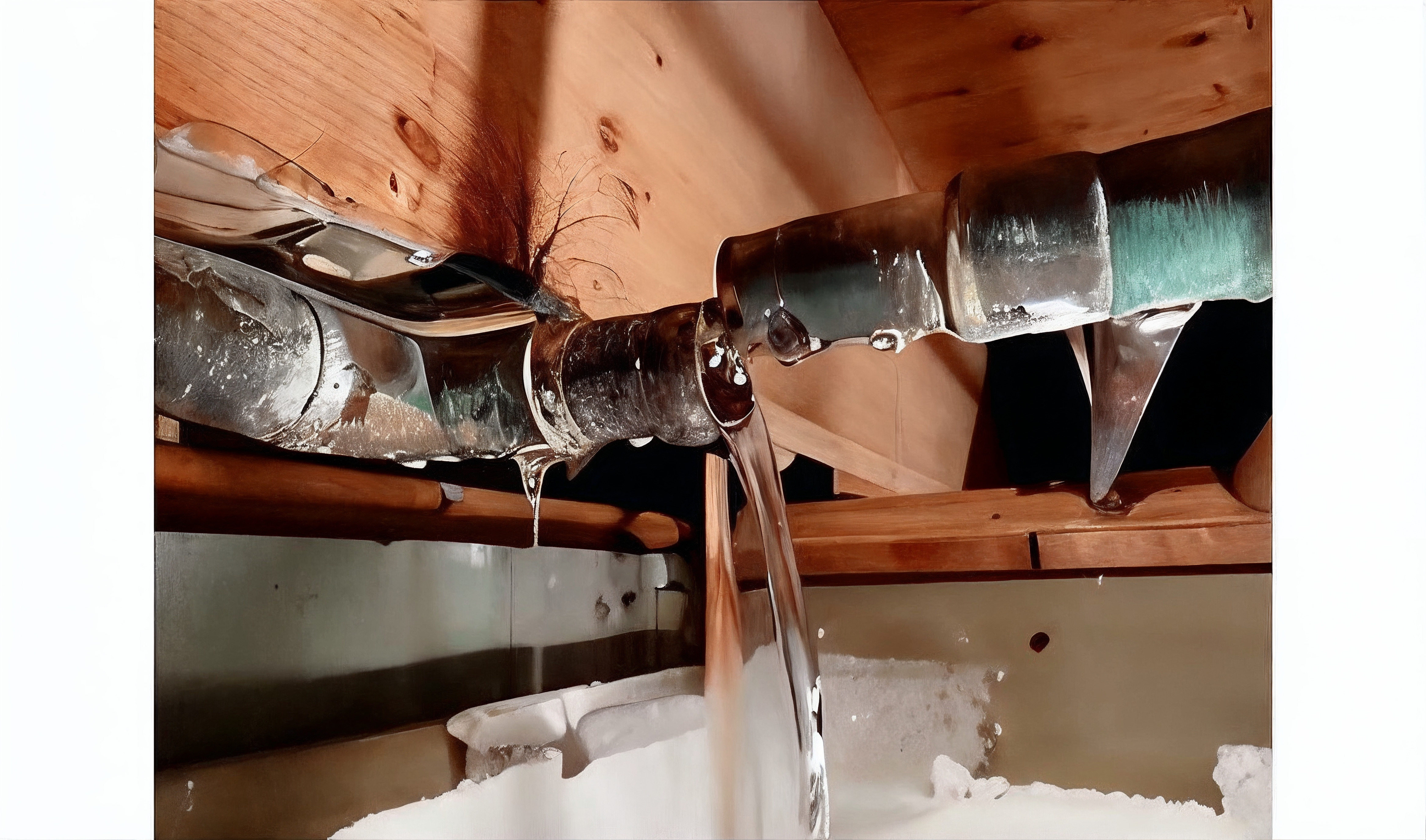
Water Line & Water Main Replacement
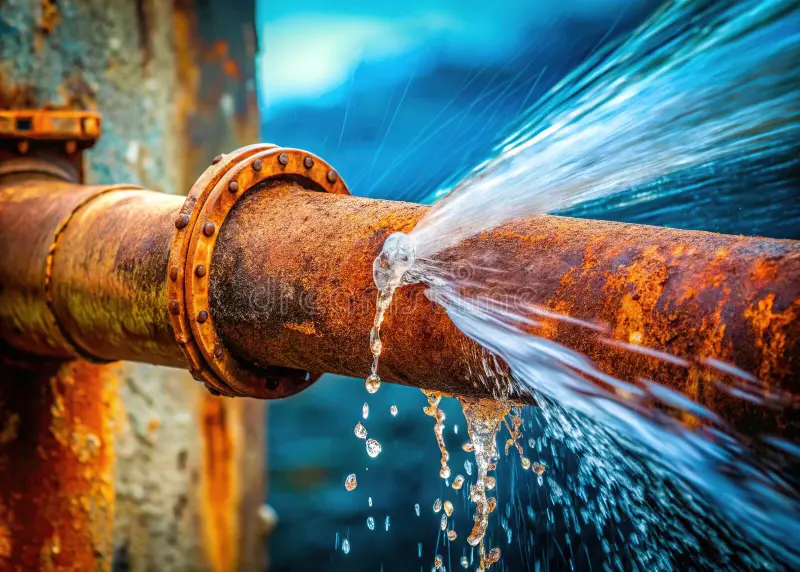
Pressure dropping, discolored water, or a soggy strip across the yard. We trace the buried supply line, locate the break, and repair or replace the run between the meter and the house.
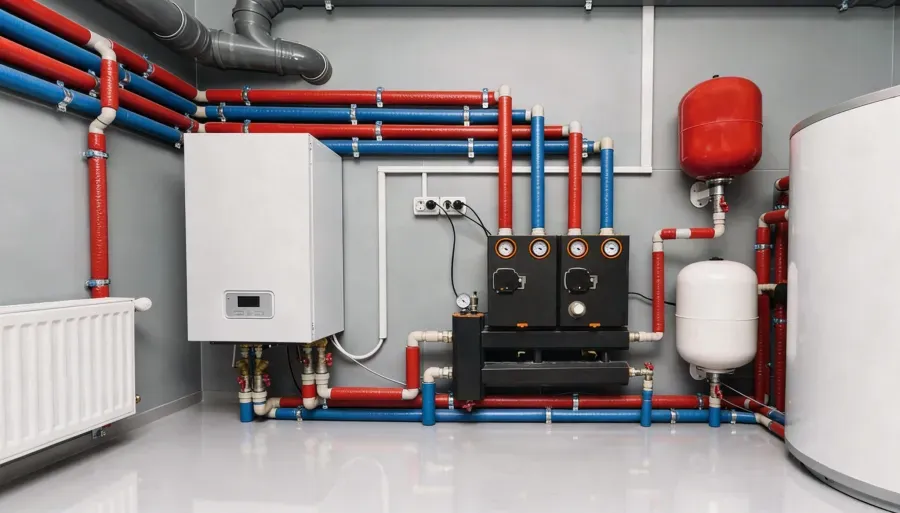
Trenchless Pipe Lining
Where the existing pipe still holds its shape, a cured-in-place liner forms a new jointless pipe inside the old one — no trench across the driveway, and nothing left for roots to re-enter.
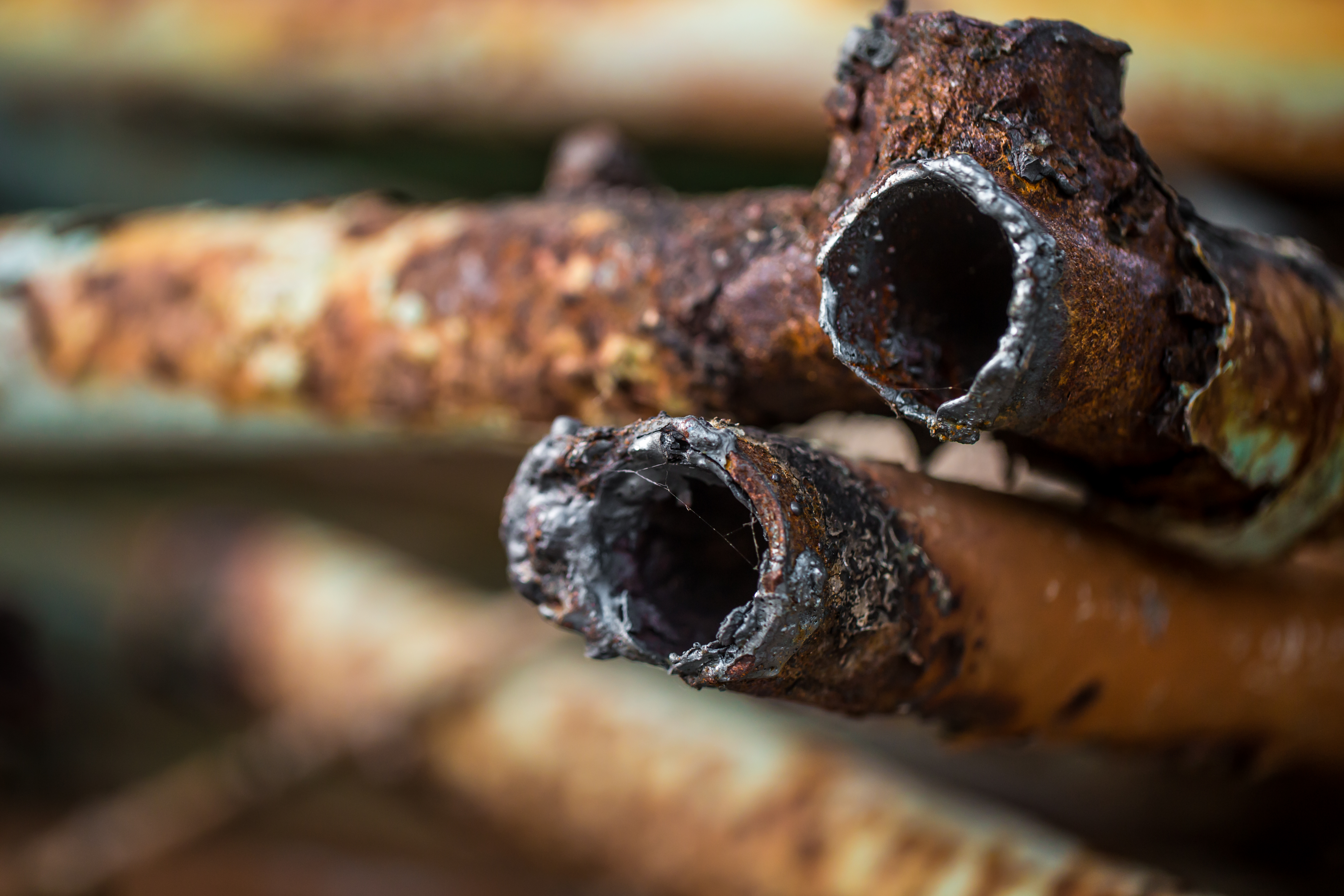
Repiping & Aging Pipe Replacement
Galvanized steel, failing polybutylene, or copper that has now leaked more than once. When a line keeps failing in new places, repiping stops being the expensive option and becomes the better value.
Need Service? Available Now
Call NowHonest Pricing, No Surprises
Wondering what it will cost? Here's exactly how it works. Getting connected to a local plumbing pro is straightforward, and you'll always know the price before any work begins — no pressure, no guesswork.
No Cost to Get Connected
Reaching out costs you nothing. We connect you with a local plumbing pro at no charge — you only pay for the work you decide to move forward with.
Up-Front, No-Obligation Quote
Get a clear quote before any work starts. Review the price, ask questions, and decide on your own terms — there's never any obligation to commit.
No Hidden Fees
The price you discuss is the price you plan around — no surprise add-ons buried in the bill. You'll know what to expect before the job begins.
Is It a Clog or a Failing Line?
The distinction decides everything that follows, and it is usually readable from the symptoms before anyone opens a cleanout:
Several fixtures backing up at once
One slow sink is local. A toilet that gurgles when the washing machine drains, or the lowest drain in the house flooding first, means the main line is involved — everything upstream is looking for somewhere to go.
Clogs that keep coming back
A properly cleared clog stays cleared. A line that backs up again a few weeks later has something structural feeding it: roots at a joint, a grease-coated section, or a break. Repeat clearing on a schedule is a symptom being managed, not a problem being fixed.
Sewage smell indoors or in the yard
A working drain system is sealed and vented. Odour means an escape point — a dry trap, a failed seal, or a cracked line under the slab or lawn.
A patch of lawn that is greener or soggy
A break underground irrigates and fertilises the ground above it. A strip of grass thriving in a dry spell, or ground that stays soft, often marks the line's path and the failure point.
Slow drains across the whole house after rain
Groundwater entering through cracks — infiltration — overwhelms a line that copes fine in dry weather. It points at joint or pipe failure even when nothing is blocked.
Foundation cracks or settling
The serious end. A long-running leak washes out the soil supporting the slab. Rare, but it is why a sewer problem is worth diagnosing rather than living with.
Camera First, Then a Plan
Every sewer job here starts with a camera inspection, because the alternative is digging on a hypothesis. The scope shows what the fault is — roots, grease, a belly holding water, a crack, a full collapse — and how far it sits from the cleanout, so any excavation is a located hole rather than an exploratory trench.
That recording is also yours. It is what a municipality wants when the break sits near the property line, what a buyer's inspector wants, and what makes a repair quote checkable instead of something you take on trust.
Trenchless or Excavation
Trenchless works when the existing pipe still holds its shape. A resin liner cured in place forms a new jointless pipe inside the old one, or a bursting head pulls new pipe along the same path — no trench across the driveway, and days rather than a week. Roots have nothing to re-enter, because the joints they exploited are gone.
It is not always available, and you should be told so plainly. A fully collapsed line, a severe belly, or a bad grade needs excavation, because lining requires something sound to line and cannot correct a slope. The camera decides which of these you're looking at — not a preference for the tidier method.
What Sewer & Water Line Work Costs — Honestly
Typical ranges: main line clearing $150–$450; hydro-jetting $350–$900; a camera inspection $250–$600; a dug spot repair $1,500–$4,000; water main replacement $1,500–$5,000. Full sewer replacement by excavation runs $4,000–$15,000+ depending on length, depth and what has to be restored afterwards, while trenchless lining generally lands between $80 and $250 per linear foot.
Those are ranges precisely because the inspection has not happened yet. Nobody can price this accurately over the phone, and a firm number offered before the line is scoped is a number that will change. Your quote comes after the camera, in writing, and getting connected with a local pro costs you nothing.
Why Sewer Lines Fail
Knowing the cause matters, because it decides whether clearing the line solves anything or just resets the clock:
Tree roots at the joints
Roots follow moisture and vapour to the nearest joint, then widen it as they thicken. Cutting them out restores flow, but the joint is still there and so is the tree — which is why root clogs return on a schedule until the joints are gone.
Grease and scale buildup
Cooking fats cool and coat the pipe wall, narrowing it a little more each year until a normal load won't pass. Cabling bores a channel through it; jetting strips the wall back to the pipe.
A belly in the line
A section that has sagged below grade holds standing water, and solids settle in it. It looks like a chronic clog and behaves like one, but nothing is blocking the pipe — the slope is wrong, and only excavation corrects grade.
Age and material
Clay tile cracks and lets roots in at every joint. Cast iron corrodes from the inside until the bottom of the pipe is gone. Orangeburg — tar-impregnated fibre used mid-century — deforms into an oval and collapses. Material and era predict a great deal.
Ground movement and settling
Soil shifting after drought, heavy rain, or nearby excavation pulls joints apart and cracks rigid pipe. This is the usual reason a line that was fine for decades fails without anything changing indoors.
Flushed items that don't break down
Wipes marketed as flushable, hygiene products, and paper towels stay intact and snag on any imperfection in the pipe. On a line already narrowed by roots or grease, they're what turns a slow drain into a backup.
Frequently Asked Questions
Is it a clog, or is my sewer line actually broken?
One slow fixture is a clog. Several at once — a toilet gurgling when the washer drains, the lowest drain in the house backing up first — points at the main line. The distinguishing sign is recurrence: a clog cleared properly stays cleared, while a line that backs up again weeks later usually has roots or a broken section feeding it. A camera inspection is what settles it, and it settles it before anyone digs.
Who pays — me or the city?
In most municipalities you own the lateral, the pipe from your house to the main under the street, and the city owns the main itself. That means the majority of sewer failures are the homeowner's, which is worth knowing before you call. Where the break sits near the property line the answer varies by jurisdiction, and a camera inspection that locates the fault by distance is exactly the evidence that conversation needs.
What does a sewer camera inspection cost, and do I need one?
Typically $250–$600, and yes if you're facing anything beyond a routine clog. It converts guesswork into a located, measured fault — grease, roots, a belly, or a collapse — at a known distance from the cleanout. It is also the single best money spent before buying a house with mature trees.
Are tree roots really the cause?
Frequently, in any neighbourhood with mature trees and older clay or cast-iron pipe. Roots find a hairline crack or a loose joint, thrive on what's inside, and rebuild after every cleaning. Cutting them buys a season or two; lining or replacing the pipe is what ends it. You'll be told honestly which one you're buying.
Trenchless or excavation — which do I need?
Trenchless works when the existing pipe still has its shape: a resin liner is cured in place, or a bursting head pulls new pipe through the old path. It saves the driveway, the lawn, and days of work. A fully collapsed line, a severe belly, or a bad grade needs excavation, because there is nothing sound left to line. The camera inspection decides this, not a preference.
How much does sewer line work cost?
Main line clearing runs $150–$450 and hydro-jetting $350–$900. A dug spot repair is typically $1,500–$4,000. Full replacement by excavation ranges $4,000–$15,000+ depending on length, depth, and what has to be put back afterwards, while trenchless lining generally runs $80–$250 per linear foot. Water main replacement is usually $1,500–$5,000. Every one of those is quoted on site after the inspection, not over the phone.
How long does the work take?
Clearing and jetting are same-visit. A spot repair is usually a day. Trenchless lining is commonly one to two days with far less restoration afterwards, and a full excavated replacement runs two to five days depending on length, depth and permits. You'll have the schedule before work starts.
Recurring clogs after every clearing? Leak Detection & Repair →
Same-Day Service Available · Trusted Experts · No Hidden Fees
Call NowCall (888) 664-0386Disclaimer: Plumbingservicenearby.com is a free service to assist homeowners in connecting with local service providers. All contractors/providers are independent and plumbingservicenearby does not warrant or guarantee any work performed. It is the responsibility of the homeowner to verify that the hired contractor furnishes the necessary license and insurance required for the work being performed. All persons depicted in a photo or video are actors or models and not contractors listed on plumbingservicenearby.
Same-day and 24/7 emergency services are subject to provider participation, location, technician availability, and demand. Availability is not guaranteed and may vary by market and appointment capacity.